
Urine Drug Testing (UDT) is a widely used method for detecting the presence of drugs and their metabolites in an individual’s urine. Originally developed in the mid-20th century, UDT has become a cornerstone of drug addiction treatment and screening in various settings, including workplaces, healthcare facilities, and rehabilitation programs.
The purpose of UDT is to monitor substance use and identify individuals who are engaging in drug use, particularly those undergoing recovery treatment. In addiction rehab, UDT ensures compliance with treatment plans and tracks recovery progress by providing both patients and healthcare providers with reliable data about substance use.
UDT works by collecting a urine sample, which is then tested for the presence of specific drugs or their metabolites. The process starts with an initial screening using immunoassay methods, followed by confirmation testing using more accurate methods, such as gas chromatography-mass spectrometry (GC-MS) when necessary.
These methods help ensure the accuracy and reliability of the results, which are required for effective monitoring of individuals undergoing addiction treatment. According to Halux Diagnostics, urine testing is the most reliable form of drug testing, with an accuracy rate of over 99%.
The substances detected by UDT include a wide range of commonly abused drugs, such as opioids, cocaine, methamphetamines, THC, and alcohol. These substances are identified by their metabolites, which remain in the urine for a period after use. The testing also detects the presence of prescription medications that are misused, providing valuable insights for treatment programs aimed at addressing both illicit drug use and prescription medication abuse.
There are various types of UDT, each designed to detect different numbers of substances. The most common types are the 5-panel and 10-panel tests, which screen for several common drugs.
Additionally, expanded drug testing panels are available for more thorough screenings, including those used in medical, employment, or legal settings. These tests vary in their ability to detect a wide range of substances and provide varying degrees of detail, which are necessary for both addiction treatment and monitoring recovery progress.
According to the Mayo Clinic Labs, a 50% reduction in substance misuse is reported when clinical UDT is combined with other risk-mitigation strategies.
UDT is used in multiple contexts, most notably in addiction rehab, where it serves as a tool for monitoring patient adherence to treatment plans, assessing progress, and detecting potential relapse. It is also used in workplace screening, legal cases, and pre-employment evaluations.
According to Team Stage, roughly 1.5% of job postings in the US mentioned they require pre-employment drug tests. In rehabilitation settings, regular UDTs ensure that patients are not using substances outside of their prescribed medications, helping to reinforce the goals of treatment and providing a means for healthcare providers to adjust treatment plans as necessary.
The advantages of UDT in addiction treatment include its non-invasive nature, cost-effectiveness, and quick turnaround time for results. These factors make it an ideal choice for regular monitoring in rehab centers.
However, UDT does have its limitations, including the potential for false positives, a limited detection window, and the possibility of tampering with the sample. Compared to other testing methods, such as blood or hair tests, UDT is more affordable and easier to administer, but it does not detect long-term drug use or be as precise in certain cases.
Understanding these pros and cons is important for determining when and how to use UDT most effectively in drug addiction treatment.
What Is a Urine Drug Test (UDT)?
A Urine Drug Test (UDT) is a medical and forensic diagnostic procedure designed to detect the presence of drugs or their metabolites in a person’s urine. The primary purpose of a UDT is substance detection, which helps identify recent drug use, monitor adherence to prescribed medications, or screen for potential misuse of illicit substances. This form of urine analysis leverages the body’s natural process of excreting drug metabolites through urine, providing a reliable window into an individual’s recent exposure to specific chemicals.
Emerging as a key component of drug testing methods during the 20th century, UDTs became more prevalent as laboratory technology advanced, enabling rapid, accurate, and cost-effective testing. Over time, they have evolved into indispensable tools across various domains, including healthcare, workplace safety programs, law enforcement, and athletic anti-doping efforts. With their ability to detect a broad range of substances, UDTs promote health, safety, and compliance in both personal and professional settings.
Did you know most health insurance plans cover substance use disorder treatment? Check your coverage online now.
How Does a Urine Drug Test Work?
A Urine Drug Test works by analyzing a urine sample to detect the presence of drugs or their metabolites in the body. The process involves collecting a urine sample from an individual and subjecting it to testing procedures that screen for specific substances.
If a drug is detected during the initial screening, further analysis, known as confirmation testing, is conducted to ensure accuracy and reliability. This multi-step approach ensures precision while minimizing the chances of false-positive results.
Urine Drug Tests work in the following way:
- Sample Collection: A clean and uncontaminated urine sample is collected in a sterile container. This step is supervised in certain settings to prevent tampering or substitution.
- Initial Screening: The sample is tested using immunoassay techniques to detect a range of common substances.
This rapid test identifies if drugs or their metabolites are present at or above a predetermined threshold.
- Confirmation Testing: If the initial screening is positive, the sample undergoes more precise testing, such as gas chromatography-mass spectrometry (GC-MS) or high-performance liquid chromatography (HPLC), to confirm the specific substance and its concentration.
- Results Interpretation: Test results are analyzed by professionals. A negative result indicates no detectable levels of substances, while a positive result confirms the presence of specific drugs or metabolites.
- Reporting: The final test results are documented and shared with the relevant parties, such as healthcare providers, employers, or legal authorities, based on the purpose of the test.
What Substances Can a UDT Detect?
Substances that a UDT can detect include opioids, cocaine, methamphetamines, alcohol, and other commonly used illicit and prescription drugs.
UDTs are specifically designed to identify a broad range of substances by detecting their metabolites, which are excreted through urine after the body processes them. These tests are widely relied upon in clinical, occupational, and legal contexts to screen for drugs linked to addiction, misuse, and safety concerns.
However, UDTs cannot detect every drug or distinguish between certain legal and illegal uses of substances unless further analysis is conducted. Standard UDTs are not able to detect certain newer designer drugs, supplements, and less common medications.
Advanced or targeted testing methods are required for these substances.
More Resources on Addiction:
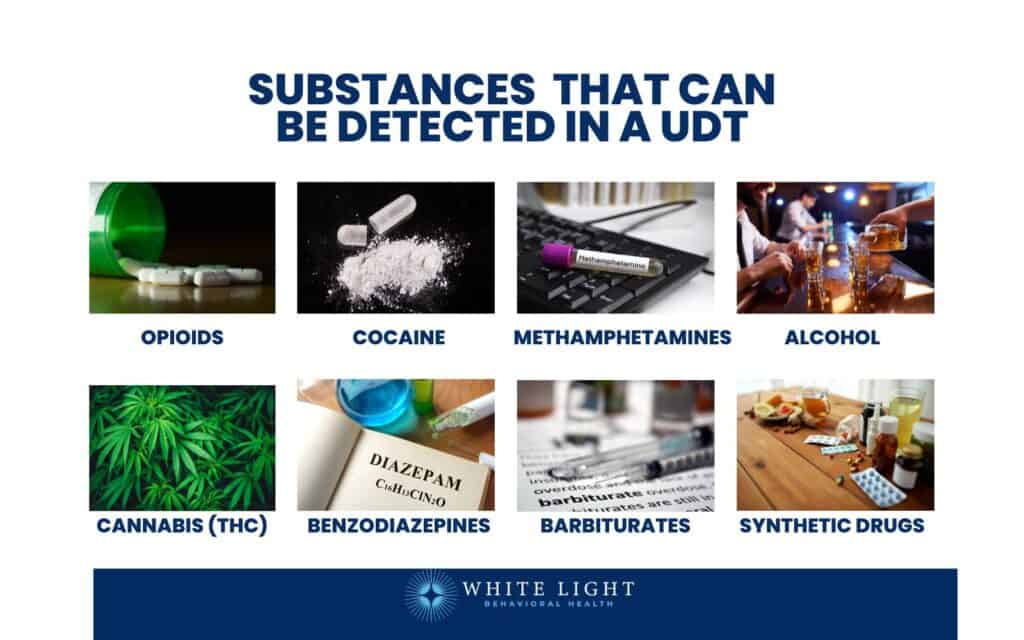
The following substances can be detected in a UDT:
- Opioids: Opioids include drugs like morphine, heroin, oxycodone, and hydrocodone. These are commonly tested due to their high potential for addiction and abuse.
UDTs help monitor opioid use in pain management programs and detect misuse, with millions of individuals tested yearly to manage opioid dependency. The CDC recommends that all patients on long-term opioid therapy have a UDT at least annually.
- Cocaine: Cocaine is a powerful stimulant associated with recreational use and addiction.
Testing for cocaine is important in occupational and legal drug screening, as it remains detectable in urine for 2 to 4 days after use. The liver breaks down cocaine into benzoylecgonine, a metabolite detected in drug tests, with levels above 300 micrograms per liter triggering a positive result, as studied by Vandevenne M, Vandenbussche H, Verstraete A., et al. 2000, in “Detection time of drugs of abuse in urine.”
- Methamphetamines: Meth includes amphetamines and crystal meth, which are widely abused stimulants.
UDTs identify methamphetamine misuse, especially in addiction treatment programs and safety-sensitive occupations. Urine tests usually detect meth for up to 72 hours after the last dose.
Methamphetamine metabolizes to amphetamine, which means a drug screen will likely be positive for both substances.
- Alcohol: Although commonly associated with breath testing, alcohol is also detected in urine, especially in cases requiring a longer detection window. This is particularly relevant in legal or occupational settings where alcohol misuse impacts safety.
The Department of Transportation (DOT) oversees the administration of more than 6 million drug and alcohol tests annually for individuals in safety-sensitive positions, such as drivers, pilots, and railroad workers. For 2024, the DOT has mandated that 10% of employees under the Federal Motor Carrier Safety Administration (FMCSA), Federal Aviation Administration (FAA), and Federal Railroad Administration (FRA) are subject to random alcohol testing.
This ensures compliance with safety regulations and aims to prevent impairment-related risks in important industries.
- Cannabis (THC): Cannabis is the psychoactive component of marijuana. THC is a primary target for UDTs, especially in workplaces, as it remains detectable for days to weeks, depending on the frequency of use.
Positivity rates for marijuana in U.S. workplace Urine Drug Tests (UDTs) rose by 8.3%, from 3.6% in 2020 to 3.9% in 2021, based on over 6 million tests conducted, as reported by Quest Diagnostic Newsroom.
- Benzodiazepines: Benzodiazepines, such as diazepam and lorazepam, are prescription drugs used for anxiety and insomnia. They are tested to monitor therapeutic use or detect misuse in addiction treatment programs.
According to Med Central, benzodiazepines are detected in urine for 7 hours to 30 days, depending on the type of benzodiazepine, the amount taken, and other factors. For example, short-acting benzodiazepines like Halcion are detectable for up to 24 hours, while longer-acting benzodiazepines like Valium show up in a urine sample 5 to 8 days after use.
- Barbiturates: Barbiturates are sedative drugs that are now less commonly prescribed but still tested due to their high abuse potential.
Urine drug tests detect these substances by identifying their metabolites, with detection windows ranging from 2 to 4 days for short-acting barbiturates and up to 3 weeks for long-acting forms like phenobarbital, according to a study by the National Institute of Health (NIH) in “OBJECTIVE TESTING.”
- Synthetic Drugs: Synthetic drugs include synthetic cannabinoids (“Spice”) and synthetic stimulants (“Bath Salts”), which are increasingly tested as their misuse rises. Synthetic cannabinoids are challenging to detect in urine drug tests due to their rapid evolution and diverse metabolites, which do not cross-react with standard cannabinoid immunoassays.
Advanced methods like LC-MS/MS are increasingly used to target multiple metabolites, offering qualitative and quantitative insights, as studied by Lovett D, Yanes E et al. 2013, titled “Structure elucidation and identification of a common metabolite for naphthoylindole-based synthetic cannabinoids using LC-TOF and comparison to a synthetic reference standard.”
What Are Detection Windows for Drugs in Urine?
The detection window for drugs in urine refers to the period during which drug metabolites are identified in a urine sample after consumption. Substance retention varies based on how long the drug stays in the system before being excreted in the urine.
Most drugs are detectable within a few days to a week, but substances like cannabis remain detectable for a longer period in frequent users due to fat storage and slow metabolism.
The following table presents the detection windows for drugs in urine:
Drug Detection Window for UDT THC (Marijuana) 1 to 3 days (occasional use), 7 to 30 days (chronic use) Cocaine 2 to 4 days Opioids 1 to 3 days (e.g., morphine, oxycodone) Methamphetamines 1 to 4 days Benzodiazepines 3 to 7 days Alcohol 12 to 48 hours Amphetamines 1 to 3 days
Several factors influence the detection window for drugs in urine, such as the frequency of use, metabolism rate, body fat percentage, and hydration levels. Chronic users tend to have longer detection windows because drug metabolites accumulate in the body over time.
Individuals with faster metabolisms process and eliminate drugs more quickly, resulting in shorter detection windows. Drugs like THC, which are fat-soluble and stored in fat tissue, prolong detection in people with higher body fat percentages.
Additionally, higher fluid intake dilutes urine and potentially shortens the detection window, though excessive dilution is flagged as an attempt to tamper with the test.
What Are Different Types of Urine Drug Tests?
The different types of Urine Drug Tests (UDTs) are 5-panel, 10-panel tests, gas chromatography/mass spectrometry (GC/MS), and immunoassay. These tests are designed to detect a range of substances, with some focusing on common drugs while others expand to cover a wider variety of substances.
These tests vary in the number of substances they screen for, with panel tests being the most common. Panel tests are frequently employed in addiction rehab settings because they provide a balanced approach to detecting both common and commonly abused drugs.
These tests help clinicians track recovery progress, ensuring that patients are not relapsing or using substances that could interfere with their treatment plan.
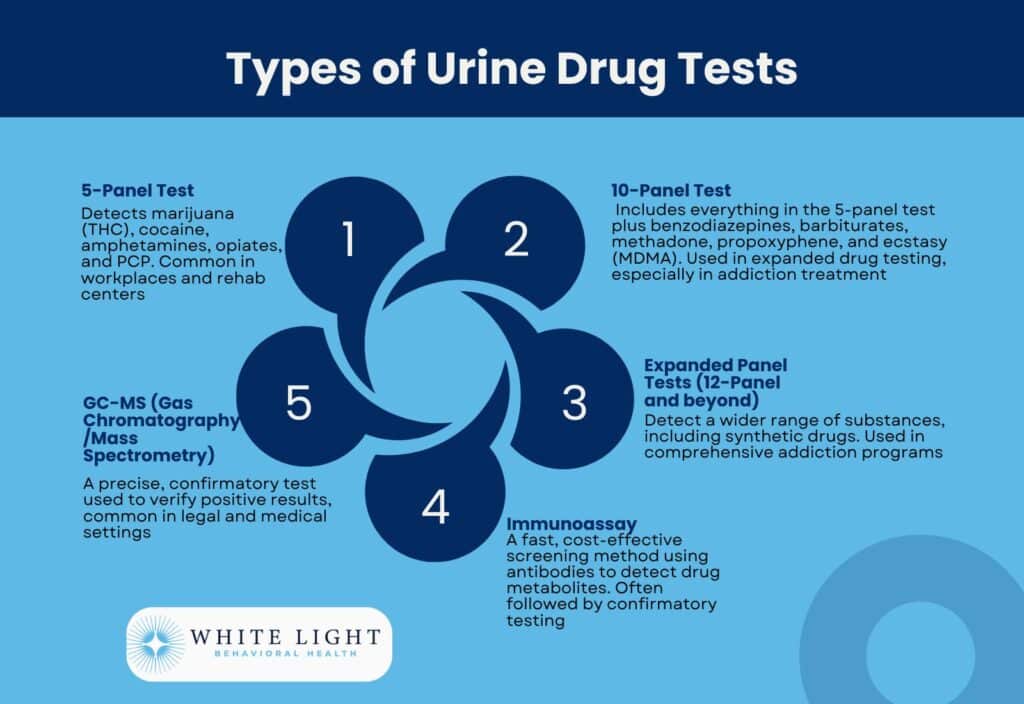
The different types of Urine Drug Tests are as follows:
- 5-Panel Test: This is one of the most common types of drug tests, screening for five primary drugs: marijuana (THC), cocaine, amphetamines, opiates (including morphine and heroin), and PCP. It is widely used in workplaces and rehab centers as it covers the most commonly abused substances.
- 10-Panel Test: The 10-panel test is an expanded version that screens for a broader range of substances, including all the drugs in the 5-panel test, plus additional substances like benzodiazepines, barbiturates, methadone, propoxyphene, and ecstasy (MDMA). This test is highly suitable for expanded drug testing and is used in addiction rehabilitation and clinical settings where monitoring a broader array of drugs is necessary for patient care.
- Expanded Panel Tests (12-panel and beyond): These tests go further by detecting even more substances, including synthetic drugs and newer substances that are not covered in traditional tests.
They are frequently used in comprehensive addiction treatment programs to ensure that patients are not using a wide variety of illicit substances during their rehabilitation.
- Immunoassay: This is a screening test commonly used in Urine Drug Tests (UDTs). It detects drug metabolites through an antibody-antigen reaction.
The immunoassay method is fast, cost-effective, and used as the first step in drug testing. However, it produces false positives, which is why more specific confirmation methods follow it.
- Gas Chromatography/Mass Spectrometry (GC-MS): This is a highly accurate and specific confirmation test used after an immunoassay to confirm the presence of particular drugs.
GC-MS separates and identifies substances based on their chemical structure. It is used when the results from an initial test are inconclusive or when high accuracy is required, such as in legal or medical contexts.
Can a Urine Drug Test Be Performed at Home?
Yes, a Urine Drug Test (UDT) can be performed at home using over-the-counter testing kits, which are widely available.
These at-home tests are used for preliminary screening to detect the presence of common drugs, such as marijuana, cocaine, and opioids. However, their accuracy varies, and they are less reliable than lab-based tests, especially in detecting low drug levels or in cases of adulterated urine.
While they are useful as an initial tool for individuals or families concerned about drug use, it is recommended to follow up with professional testing, especially in clinical or rehabilitation settings, for more accurate results.
Contact us today to schedule an initial assessment or to learn more about our services. Whether you are seeking intensive outpatient care or simply need guidance on your mental health journey, we are here to help.
When and Why Are Urine Drug Tests Used?
Urine Drug Tests are used in various settings to monitor substance use and ensure compliance with regulations. They are commonly performed in workplaces, addiction treatment centers, and during legal proceedings to detect drug use.
Urine Drug Tests are used in the following settings:
- Workplace Screening: Employers use UDTs to ensure a drug-free work environment, especially in safety-sensitive jobs like transportation, aviation, and construction. Routine or random drug tests help prevent accidents and maintain productivity.
For example, United States federal law mandates that people working in the transportation industry take regular drug tests.
- Addiction Rehabilitation Monitoring: In addiction treatment programs, UDTs are used to track a patient’s recovery progress and to ensure they are not relapsing. This is an integral part of monitoring sobriety during rehabilitation.
According to the Mayo Clinic Labs, a 50% reduction in substance misuse is reported when clinical UDT is combined with other risk-mitigation strategies.
- Pre-employment Testing: Many companies conduct drug tests as part of the hiring process to screen potential employees for drug use, especially in safety-sensitive industries. According to Team Stage, roughly 1.5% of job postings in the US mentioned they require pre-employment drug tests.
- Legal and Forensic Testing: UDTs are used in legal contexts, such as probation, custody cases, or court orders, to ensure compliance with drug-free conditions set by the court.
What Are the Advantages of Urine Drug Testing?
The advantages of Urine Drug Testing are its non-invasive collection process, cost-effectiveness, and speed of obtaining results, which make it ideal for routine screenings and addiction monitoring.
These advantages make Urine Drug Testing especially beneficial in addiction treatment programs, where timely intervention and monitoring are necessary. The ease of collection, affordability, and quick results help treatment centers efficiently track patient progress and ensure compliance with recovery plans.
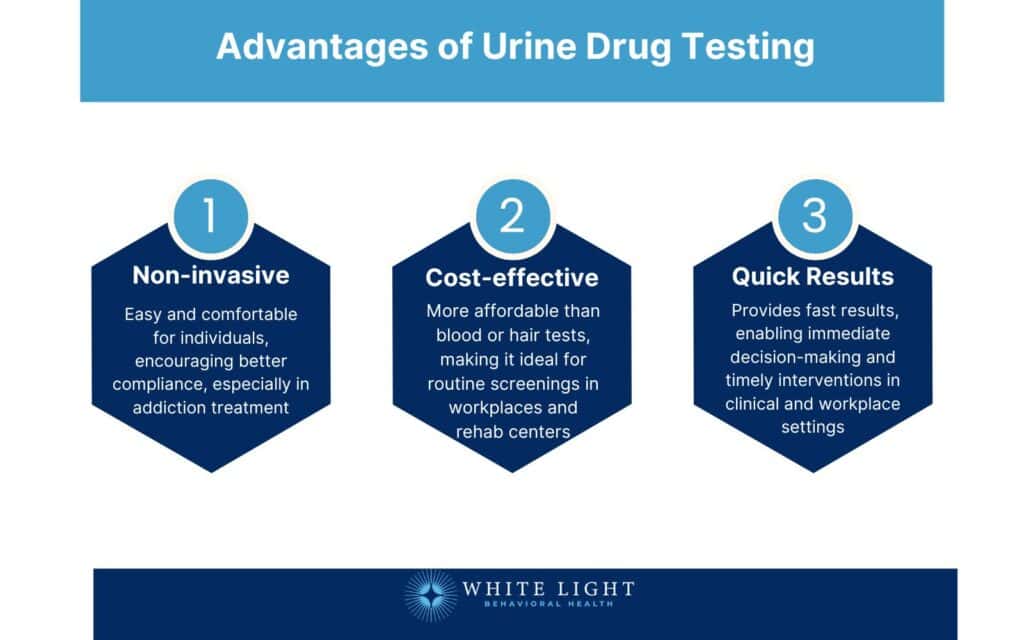
The advantages of Urine Drug Testing are as follows:
- Non-invasive Collection: Urine collection is relatively easy and non-invasive, making it a more comfortable option for individuals compared to blood or hair samples. This encourages better compliance with testing procedures, particularly in addiction treatment programs, where individuals feel more at ease with non-invasive methods during their recovery process.
- Cost-effectiveness: Urine drug tests are less expensive than other testing methods, such as blood tests or hair follicle tests.
This makes them a more affordable option for routine screenings in workplaces, healthcare, and addiction treatment programs. The average cost for a urine drug test ranges from $30 to $60, while blood tests are more expensive, averaging around $50 to $150, due to the need for specialized collection and lab analysis, according to Scout Logic.
Hair follicle tests are the most expensive, ranging between $100 and $650 because they offer a 90-day detection window and require more intricate lab processing. For rehabilitation centers, the cost-effective nature of UDT allows for frequent testing, which is necessary to monitor patients and ensure they remain drug-free.
- Quick Results: Urine drug tests provide rapid results within minutes, making them highly useful in environments where timely detection is important.
This fast turnaround time helps in making immediate decisions in both employment and rehabilitation settings, allowing treatment providers to promptly address any relapse issues or adjust a patient’s treatment plan.
What Are the Limitations and Challenges of Urine Drug Tests?
The limitations and challenges of Urine Drug Tests include issues like false positives, limited detection windows, and the potential for cheating or tampering with samples. These challenges affect the accuracy and reliability of the results, especially in sensitive contexts like addiction rehabilitation.
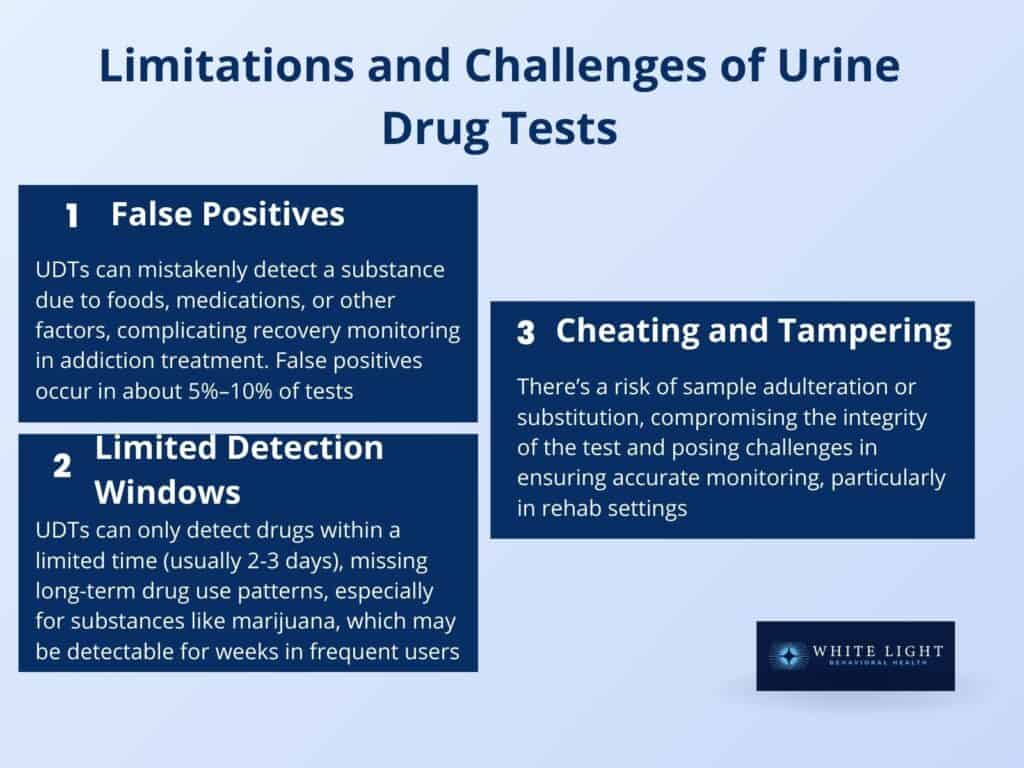
The following are the limitations and challenges of Urine Drug Tests:
- False Positives: False positives occur in urine drug tests, where a test incorrectly detects the presence of a substance. Certain foods, medications, or other factors cause this.
In addiction treatment, false positives complicate recovery monitoring, potentially leading to unnecessary actions or interventions. According to data by Drugs.com, 5% to 10% of all drug tests result in false positives, and 10% to 15% yield false negatives.
- Limited Detection Windows: Urine drug tests have a limited detection window, meaning they only detect drugs for a certain period after use.
This limitation does not provide a comprehensive view of an individual’s drug history, especially for substances like marijuana, which remain detectable in frequent users for weeks. In addiction rehab, this poses a challenge for tracking long-term drug use patterns.
Unlike urine drug testing, which only detects drug use within the past 2-3 days, hair testing is able to detect a pattern of repetitive drug use for up to 90 days, as reported by Quest Diagnostics.
- Cheating and Tampering: There is always a risk of individuals attempting to cheat or tamper with the urine sample by adding adulterants or substituting their sample. In addiction rehabilitation programs, this undermines the integrity of the testing process and raises ethical concerns, as it becomes more difficult to ensure that patients are being truthful and are not relapsing.
What Can Cause a False Positive Urine Drug Test?
A false positive Urine Drug Test can be caused by cross-reactivity with other substances, the use of certain prescription drugs, or testing errors that lead to inaccurate results.
These occur when the test detects compounds that chemically resemble the target drug, even though the individual has not consumed the actual substance.
The following are the causes of a false positive Urine Drug Test:
- Cross-reactivity with Non-Drug Substances: Many over-the-counter medications and common substances cause cross-reactivity in urine drug tests. For example, cold medications containing pseudoephedrine might trigger a positive result for amphetamines.
Inaccurate results like this are due to the chemical similarities between the drug being tested for and the non-drug substance. Other drugs that are known to cause false positive Urine Drug Tests are Quinolone antibiotics, Rifampin, and Ofloxacin. A laboratory study by Vidal C, Skripuletz T., et al. 2007, titled “Bupropion interference with immunoassays for amphetamines and LSD,” further confirmed cross-reactivity between bupropion and amphetamine immunoassays, ranging from 3% to 17%, depending on the concentration.
- Prescription Drugs and Medical Conditions: Certain prescription drugs, such as antidepressants, antibiotics, or painkillers, yield false positives.
For instance, tricyclic antidepressants have been reported to cause false positives for amphetamines, while some antibiotics, like rifampin, interfere with tests. Medical conditions, such as kidney or liver disease, also contribute to inaccuracies.
Bupropion, an antidepressant and smoking cessation aid, is structurally similar to amphetamines and has been linked to false positive urine drug tests. A retrospective review of 10,011 UDTs by Casey ER et al. 2011, titled “Frequency of false positive amphetamine screens due to bupropion using the Syva EMIT II immunoassay,” revealed that 35% (128 out of 362) of initial positive amphetamine results were false positives, with bupropion use documented in 41% of those cases.
- Testing Errors and Sample Contamination: Improper sample handling, testing device malfunctions, or laboratory errors lead to inaccurate results.
These issues include contamination of the urine sample or misinterpretation of test outcomes, particularly in rapid-result screening methods. According to the American Family Physicians (AAPF), false positive rates for immunoassay-based urine drug tests range between 5% and 10%, depending on the substance being tested and the testing environment.
Confirmatory tests like gas chromatography/mass spectrometry (GC/MS) are important to reducing these inaccuracies and ensuring reliable results.
How Common Are False Positive Urine Drug Tests?
False positive Urine Drug Tests are relatively uncommon but still occur, with rates ranging from 5% to 10% in the case of immunoassay, as studied by the American Family Physicians (AAPF). For amphetamines specifically, Casey ER et al. 2011 found in their study titled “Frequency of false positive amphetamine screens due to bupropion using the Syva EMIT II immunoassay,” false positive rates as high as 41% in initial screens, due to cross-reactivity with bupropion.
While false positives are concerning, false negatives are also a challenge in drug testing, as they lead to undetected drug use. Confirmatory testing, such as gas chromatography/mass spectrometry (GC-MS), significantly reduces false positive rates, ensuring more accurate results.
How Accurate Are Instant Urine Drug Tests?
Instant Urine Drug Tests are moderately accurate, with reliability rates ranging from 85% to 95%, according to “Drug Rapid Test” by Science Direct. While they are convenient and provide rapid results within minutes, they are less precise compared to laboratory-based tests, which use advanced methods like gas chromatography/mass spectrometry (GC-MS) to confirm results.
Instant tests produce false positives or negatives due to cross-reactivity or sensitivity limitations. However, their ease of use makes them a valuable tool for preliminary screening, with lab confirmation recommended for important decisions.
Can a Urine Drug Test Show How Much You Take?
No, a Urine Drug Test (UDT) cannot show how much of a drug you have taken. UDTs are designed to detect the presence of drugs or their metabolites in urine but do not measure the quantity or concentration in a way that reflects dosage or frequency of use. This limitation arises because factors like metabolism, hydration, and time since use significantly influence test results.
In addiction treatment, this means that while a UDT confirms substance use, it does not quantify addiction severity or differentiate between occasional use and heavy dependence. For a comprehensive assessment, treatment providers rely on clinical evaluations and additional diagnostic tools to understand the extent of substance use.
Rediscover Life at White Light Behavioral Health
Get the compassionate support you deserve. We're here to help you reclaim joy, wellness, and a brighter future.
Our Facility
How to Prepare for a Urine Drug Test?
To prepare for a Urine Drug Test, certain steps must be followed to ensure an accurate and smooth testing process. Preparation involves staying hydrated, avoiding actions that are misinterpreted as tampering, and informing the testing facility about any prescription or over-the-counter medications you are taking that could affect the results.
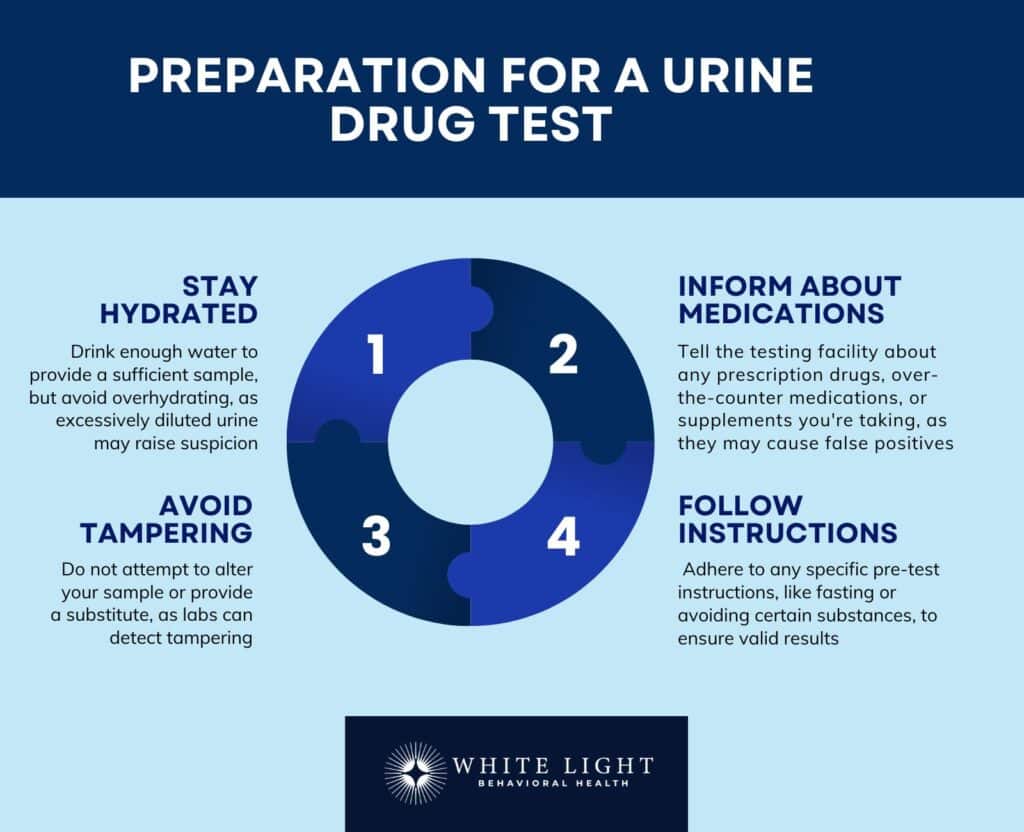
To prepare for a urine drug test, the following methods are employed:
- Stay Hydrated: Drink a moderate amount of water to ensure you provide a sufficient urine sample. Avoid overhydrating, as excessively diluted urine affects the test and raises suspicion of tampering.
- Inform About Medications: Notify the testing personnel about any prescription drugs, supplements, or over-the-counter medications you are taking, as some cause false positives due to cross-reactivity.
- Avoid Tampering: Do not attempt to alter your urine sample by adding substances or providing a substitute.
Labs are equipped to detect tampering, which leads to the test’s invalidation and potential consequences.
- Follow Instructions: Carefully adhere to any pre-test instructions provided by the testing facility, such as fasting or avoiding specific substances before the test.
Drinking a large amount of water before a UDT dilutes the urine, potentially lowering the concentration of drug metabolites below the detectable threshold. This leads to inconclusive results or suspicions of tampering.
Some tests flag overly diluted urine, requiring a retest. To avoid such complications, maintain normal hydration levels and avoid consuming excessive water immediately before the test.
How Do You Interpret UDT Results?
You interpret UDT results by analyzing the outcomes as positive, negative, or inconclusive. Each has specific implications, particularly in addiction rehabilitation settings.
Proper interpretation includes confirmatory testing and consideration of individual circumstances. UDT results are an important tool for maintaining accountability and assessing treatment efficacy.
However, results should always be viewed alongside clinical evaluations, behavioral observations, and patient honesty to form a comprehensive understanding of recovery progress.
UDT results are interpreted as follows:
- Positive Result: A positive result indicates the presence of drug metabolites above the set threshold, suggesting recent substance use. For instance, the threshold for marijuana metabolites is 50 ng/mL, while cocaine metabolites are detected at 150 ng/mL, according to the United States Nuclear Regulatory Commission in a report titled “Cutoff levels for drugs and drug metabolites.” Among opioids, codeine/morphine requires a 2000 ng/mL threshold, while oxycodone/oxymorphone is set at 100 ng/mL. For stimulants like amphetamines (AMP/MAMP) and MDMA, the cutoff is 500 ng/mL. These thresholds ensure accurate detection and minimize false positives in both workplace and clinical settings.
In rehabilitation, this signals a relapse, prompting adjustments such as stricter monitoring or changes in the treatment plan. It allows for timely intervention to address setbacks in recovery.
- Negative Result: A negative result means no detectable drug metabolites or levels below the threshold.
In addiction treatment, this is a positive indicator of progress. However, clinicians must consider the possibility of factors like tampering or limited detection windows before concluding compliance, as these could mask ongoing substance use.
- Inconclusive Result: An inconclusive result arises from sample adulteration, improper collection, or testing errors.
In rehab settings, this outcome hinders progress tracking, requiring retesting and discussions with the patient to uncover potential issues, such as attempts to avoid detection or procedural errors.
How Are Results Communicated in Addiction Rehab?
Results are communicated in addiction rehab with an emphasis on clarity, confidentiality, and integration into the patient’s treatment plan. Rehab staff explain test outcomes in a private setting, ensuring the patient fully understands the implications.
Positive or inconclusive results are approached with sensitivity, focusing on encouraging honesty and fostering a supportive environment for recovery.
Clinicians use UDT results as a tool for tracking progress and adjusting treatment strategies, such as modifying therapy goals or introducing additional support measures. By framing discussions around accountability rather than punishment, rehab centers aim to strengthen the patient’s trust and commitment to recovery, all while maintaining strict adherence to privacy regulations like HIPAA to protect sensitive information.
What To Do After Receiving UDT Results?
After receiving UDT results, the next step is to discuss them with your rehab staff or healthcare provider. This discussion ensures a clear understanding of what the results mean and how they align with your recovery goals.
For positive results, a plan is created to address setbacks, such as modifying therapy or increasing support resources. Negative results reinforce progress and lead to adjustments in treatment intensity or focus.
It’s important to approach these discussions openly. UDT results provide an opportunity to adapt the treatment plan to better align with your needs, ensuring continued progress in a confidential and supportive environment.
What Roles Do UDTs Play in Addiction Rehabilitation?
UDTs play an important role in addiction rehabilitation by serving as integral tools for monitoring patient progress, ensuring treatment compliance, and tracking recovery milestones. These tests help rehab staff objectively assess whether patients are adhering to their treatment plans, including whether they are refraining from substance use.
Regular urine drug tests allow clinicians to identify any relapses early, enabling timely intervention and adjustments to the treatment approach. They also provide both the patient and rehab team with measurable data, helping to track the effectiveness of the rehabilitation program over time.
In this way, UDTs are the most commonly used drug detection test that is instrumental in maintaining accountability and guiding personalized treatment plans, ultimately supporting long-term recovery.
Are you covered for treatment?





White Light Behavioral Health is an approved provider for Blue Cross Blue Shield and TUFTS, while also accepting many other major insurance carriers.
Check Coverage Now!What Are the Best Practices for UDT in Addiction Rehab?
The best practices for UDT in addiction rehab are designed to ensure the accurate, ethical, and effective use of urine drug testing to support long-term recovery. These practices help rehab programs maintain accountability while respecting patient privacy and promoting successful treatment outcomes.
The best practices for UDT in addiction rehab are as follows:
- Random Testing: Random drug testing helps prevent patients from anticipating when they will be tested, ensuring that they remain compliant with their recovery goals consistently. This method is used to maintain objectivity and provide a clearer picture of the patient’s ongoing adherence to the program.
- Patient Consent: Obtaining informed consent from patients before conducting UDTs is important to ensure transparency and respect for their autonomy.
Patients should be aware of the testing process, the substances being screened for, and the potential consequences of the results, promoting trust in the rehab process.
- Integration with Holistic Care Plans: UDTs should be incorporated into a comprehensive treatment plan that includes counseling, therapy, and social support. Testing should not be the sole focus but should complement other recovery strategies.
A holistic approach addresses the root causes of addiction while using drug testing to monitor progress.
- Confidentiality and Ethical Handling: Ensuring the confidentiality of test results is mandatory for maintaining trust between patients and care providers. Rehab centers should handle test results ethically, discuss them privately with patients, and only share information when necessary for treatment planning, adhering to legal and ethical standards such as HIPAA.
What Are Ethical Considerations in UDT Use for Addiction Rehab?
The ethical considerations in UDT use for addiction rehab center around ensuring patient privacy, obtaining informed consent, and preventing the stigmatization of individuals undergoing treatment.
First and foremost, patient privacy is an important ethical concern; all drug testing results must be handled confidentially and in compliance with regulations like HIPAA to protect sensitive health information. Additionally, obtaining informed consent is important—patients should be fully aware of the purpose of the test, the substances being screened for, and the potential consequences of the results.
This consent should be obtained voluntarily, without coercion, and with clarity.
Furthermore, rehab programs must be mindful of avoiding stigmatization of patients based on drug use. UDTs should be used as a tool to help track recovery progress, not to judge or label individuals.
Care providers must communicate test results in a non-punitive manner, focusing on support and guidance rather than reprimand. This helps to foster a therapeutic environment where patients feel safe and motivated to continue their recovery journey without fear of judgment or shame.
How Does Urine Drug Testing Compare to Other Drug Detection Methods?
Urine Drug Testing is compared to other drug detection methods by its specific advantages and limitations in terms of detection window, cost, and accuracy. While UDTs are widely used due to their convenience, speed, and affordability, methods like blood, hair, and saliva tests also serve important roles in certain situations.
Blood tests offer a more precise window for detecting recent use, while hair tests provide a longer detection window, helping to identify historical drug use. Each method has unique applications depending on the required test window, accuracy, and cost considerations, making it important to select the right one based on the context of treatment and monitoring needs in addiction rehab.
The comparison of Drug Testing methods is as follows:
Feature Urine Drug Test (UDT) Blood Test Hair Test Saliva Test Detection Window 1 to 3 days Hours to 1 day 90 days or more 1 to 2 days Substances Detected Common drugs like opioids, cocaine, THC, alcohol Common drugs, especially those used recently Long-term use of substances (e.g., THC, cocaine, opioids) Recent drug use (up to 2 days) Sample Collection Non-invasive, easy to collect Invasive, requires professional Non-invasive requires a hair sample Non-invasive, easy to collect Cost Low High Moderate to High Moderate Accuracy High (with confirmation) Very high High (for long-term use) Moderate Applications Routine screenings, rehab monitoring Detection of recent use, emergency settings Detection of chronic use Detection of recent use, on-site testing
Urine drug testing (UDT) is the most practical choice in addiction rehabilitation due to its affordability, ease of sample collection, and fast results. However, selecting the right drug detection method is important, depending on the scenario.
For example, blood tests are more accurate for identifying immediate drug use, while hair tests are ideal for detecting long-term substance abuse patterns. Understanding the advantages and limitations of each method helps ensure the most effective monitoring and intervention strategies in rehabilitation programs.
When Should Other Drug Testing Methods Be Used Instead of UDT?
Other drug testing methods are used instead of UDT when specific detection requirements make them more effective, such as for identifying long-term drug use or providing a more precise window for recent drug consumption. For instance, blood tests are particularly useful in emergencies where it’s important to detect drugs that have been used within the past few hours or up to a day. They are also ideal when a more immediate and precise indication of a person’s intoxication or substance use is needed.
Hair tests, on the other hand, are most effective for detecting long-term drug use, as they provide a historical record of drug consumption over up to 90 days. This makes them particularly useful in cases where understanding a patient’s long-term patterns of substance abuse is important, such as in rehabilitation assessments or when conducting pre-employment screenings for individuals with a history of chronic substance abuse. Therefore, while UDTs are suitable for short-term detection and monitoring, blood and hair tests offer advantages when the situation calls for a longer or more precise detection window.
How Much Does a Urine Drug Test Cost?
Urine Drug Test costs are between $30 and $60 for a standard panel, though more extensive tests with additional substances range from $100 to $150 or more, according to Testing.com. The price varies depending on factors such as the testing facility, the number of substances being screened, and the geographic location.
Many rehab programs and employers cover the cost of drug testing as part of their treatment or pre-employment screening processes, and some insurance plans also provide partial coverage for drug tests, especially in medical or addiction treatment settings. However, coverage details vary, so it’s important to check with the specific provider or insurer for clarification.
Did you know most health insurance plans cover substance use disorder treatment? Check your coverage online now.
Do Colleges and Universities Do Pee Tests for Entry or Sports?
Yes, drug testing is commonly conducted in collegiate sports, especially for NCAA athletes. According to a 2020 survey by the National Association of College Auxiliary Services, 30% of colleges and universities in the United States have a drug testing program in place, with an additional 20% considering implementing one. The NCAA mandates random and targeted drug testing throughout the year for student-athletes at Division I and II levels.
This testing is aimed at maintaining fair play and addressing the misuse of performance-enhancing and recreational drugs.
Individual universities also test athletes at Division III levels or students involved in other programs, but drug testing for general university entry is not unless specific circumstances warrant it, such as health program requirements. The Family Educational Rights and Privacy Act (FERPA) allows colleges to share student information, including drug test results, with relevant authorities in certain circumstances.
Can You Use Fake Urine for a Urine Drug Test?
No, using fake urine is not recommended, as it is illegal in many jurisdictions and leads to severe consequences. Advanced drug testing facilities employ stringent measures, such as temperature checks, to detect adulteration or substitution.
If caught, fake urine carries the risk of criminal charges or dismissal from employment or programs. Authentic results provide the best chance to address substance-related issues or secure eligibility.
What Drug Stays in Urine the Longest?
THC (from marijuana) stays in urine the longest, with detection windows extending up to 30 days for heavy, chronic users, according to Medical News Today in “How long can you detect cannabis (marijuana) in the body?” THC is stored in fat tissues and released slowly over time, making its detection more prolonged compared to other drugs like cocaine or opioids, which typically clear in 2-4 days. This persistence underscores the importance of understanding detection periods when preparing for a drug test.
According to a study by Lowe RH, Abraham TT et al. 2009, titled “Extended urinary Delta9-tetrahydrocannabinol excretion in chronic cannabis users precludes use as a biomarker of new drug exposure” in chronic cannabis users, THC and 11-OH-THC can remain detectable in urine for up to 24 days after cessation, challenging their validity as biomarkers of recent use. This highlights cannabis’s long terminal elimination times in heavy users, making it one of the longest-staying drugs in urine.
How to Come Up Clean on a Urine Drug Test?
To come up clean on a urine drug test, you must abstain from drug use well in advance of testing. The exact timeframe varies by substance.
Detoxification occurs naturally as your body metabolizes and excretes drugs, and staying hydrated, eating a balanced diet, and engaging in regular exercise can support this process. Over-the-counter detox kits are ineffective and could flag your test as tampered.
Being truthful and proactive about prescriptions or necessary medications ensures ethical compliance and prevents misunderstandings.