Music Therapy In Addiction: Meaning, Benefits, And Role

Music therapy is a unique and evidence-based approach that channels the power of music to enhance an individual’s quality of life, especially for people struggling with substance abuse. This therapeutic method is a tailored approach that utilizes music-based techniques to meet the specific needs of individuals or groups.
According to the American Music Therapy Association, 2021, “Music Therapy and Addiction Treatment,” music therapy uses various music interventions to achieve individualized goals within a therapeutic relationship.
The benefits of music therapy include improved mood and memory attention, stress reduction, and enhanced emotional expression. Physically, it helps improve motor skills and coordination and reduces the sensation of pain. These benefits are key elements of addiction recovery.
The role of music therapy in addiction recovery is to provide a supportive outlet for expression and coping mechanisms. It helps individuals addicted to substance abuse process their emotions and manage stress and withdrawal symptoms. It also reinforces positive behaviors and thought patterns.
Music therapy is very beneficial in maintaining long-term sobriety and increases the effectiveness of other addiction treatment programs. According to the National Center for Biotechnology Information, 2019, “Music Therapy for Substance Use Disorders,” music therapy can significantly enhance the effectiveness of traditional addiction treatments.
What Is Music Therapy?
Music therapy is a clinical-based practice in which music is used as a therapeutic tool to address individuals struggling with addiction’s physical, psychological, cognitive, and social needs. According to the American Addiction Center, music therapy can be applied in intensive inpatient treatment programs, on an outpatient basis, in group settings, and across virtually any other type of formal intervention.
Professional music therapists design activities specific to an individual’s needs and addiction treatment goals. This approach helps grow an environment where music supports healing from addiction and overall development.
The therapeutic use of music helps to establish personal connections and improves the well-being of individuals by addressing various health-related goals, especially addiction. For example, in a therapy session, a therapist might use music to help a client improve their social connection, give purpose, or peer support.
Music therapy in addiction also encourages emotional expression and allows individuals to explore and process feelings in a safe and structured environment. According to the American Music Therapy Association, 2021, “Music Therapy and Addiction Treatment,” music therapy is particularly effective in addressing emotional expression and processing in individuals with addiction.
Over time, these interventions contribute to significant improvements in relapse prevention and quality of life. It supports each person’s unique needs, which is critical in treating addiction.
Did you know most health insurance plans cover substance use disorder treatment? Check your coverage online now.
More Resources on Addiction:
How Is Music Therapy Used In Addiction Treatment?
Music therapy is used in addiction treatment by incorporating various music-based interventions that address the physical, emotional, and cognitive needs of individuals in recovery. This therapy is often integrated into comprehensive treatment plans within rehabilitation centers, outpatient clinics, and support groups.
For instance, therapists may use active music-making activities, such as playing instruments and singing, to enhance social skills, improve motor coordination, and promote emotional expression. According to the American Music Therapy Association, 2021, “Music Therapy and Addiction Treatment,” music therapy helps establish personal connections and supports healing by addressing various health-related goals, especially addiction recovery.
In addition to active music-making, receptive music therapy involves listening to carefully selected music tracks or soundscapes to evoke specific emotional responses and promote relaxation.
This approach helps individuals manage stress, reduce anxiety, and enhance mindfulness, which is crucial for maintaining sobriety. According to Lin et al., 2014, “Effects of Music Listening on Stress and Anxiety in Addiction Treatment,” guided listening sessions promote emotional healing and stress reduction.
Music therapists tailor these interventions to meet the unique needs of each individual, creating a supportive environment where clients can explore and process their emotions, develop healthy coping mechanisms, and reinforce positive behaviors essential for sustained recovery.
What Are The Types Of Sound And Music Therapy?
6 types of sound and music therapy in addiction are guided imagery, neurological music therapy, bonny method of guided imagery and music, vocal psychotherapy, community music therapy, and receptive music therapy. The following are the types of sound and music therapy:
1. Guided Imagery And Music (GIM)
This method involves individuals struggling with addiction listening to specific pieces of music in a relaxed state to stimulate memories and emotions.
The therapist guides the person through the experience, helping them to explore their inner landscape and uncover insights that lead to emotional healing and facilitate recovery from addiction. According to Bonde, 2014, “Music Therapy: Research and Evidence,” GIM helps uncover significant emotional and existential insights that affect addiction through the music-listening experience.
2. Neurologic Music Therapy (NMT)
Neurological music therapy supports individuals grappling with addiction by utilizing music’s profound impact on the brain to address cognitive, emotional, and social aspects of recovery.
By engaging in structured music-based activities, individuals undergo cognitive rehabilitation, enhancing vital skills like memory and decision-making. According to Blood AJ et al.’s 2001 study, at a neurobiological level, music that provokes peak experiences stimulates neural reward and emotion systems similar to those that are activated by drugs of abuse.
Music therapy facilitates emotional regulation by providing a platform for emotional expression and stress reduction. Music also activates the brain’s reward system, motivating individuals to engage in therapy and reinforcing positive behaviors essential for sustained recovery.
3. Bonny Method Of Guided Imagery And Music (BMGIM)
Similar to GIM, this method uses classical music and guided imagery to help individuals living with addiction explore personal growth, consciousness, and transformation. It focuses mainly on uncovering significant emotional and existential insights that affect addiction through the music-listening experience.
Contact us today to schedule an initial assessment or to learn more about our services. Whether you are seeking intensive outpatient care or simply need guidance on your mental health journey, we are here to help.
4. Vocal Psychotherapy
Vocal therapy aids individuals battling addiction by utilizing vocal exercises and techniques to address underlying emotional and psychological factors contributing to substance use. Through guided vocal exercises, individuals explore and express their emotions, enabling them to confront and process underlying trauma, stress, or unresolved issues that fuel addictive behaviors.
Vocal therapy fosters mindfulness and self-awareness, empowering individuals to recognize triggers and develop healthier coping mechanisms. By channeling emotions through vocal expression, individuals cultivate resilience and enhance their ability to regulate emotions, thereby reducing the reliance on substances for emotional relief.
5. Community Music Therapy
This approach focuses on the communal aspects of music-making. It involves group sessions where participants engage in musical activities like playing instruments, singing, or composing music together.
Through collaborative music-making, individuals in recovery experience mutual support, empathy, and camaraderie, which are essential for overcoming feelings of isolation and alienation often associated with addiction.
By engaging in shared musical experiences within a supportive community setting, individuals develop interpersonal skills, build social bonds, and strengthen their sense of identity and purpose, contributing to sustained recovery.
6. Receptive Music Therapy
Receptive music therapy, as applied in addiction treatment, involves listening to carefully selected music tracks or soundscapes designed to evoke specific emotional responses and promote relaxation, introspection, and mindfulness.
By immersing individuals in therapeutic music experiences, receptive music therapy helps reduce stress, anxiety, and cravings associated with addiction. Through guided listening sessions, individuals with addiction learn to attune to their internal experiences, regulate their emotions, and cultivate a heightened sense of self-awareness.
Receptive music therapy provides a non-invasive and enjoyable means of accessing and processing emotions, facilitating personal growth and self-discovery in the journey towards recovery.
What Are The Benefits Of Music Therapy In Addiction Recovery?
According to the American Music Therapy Association, music therapy promotes wellness, manages stress, alleviates pain, enhances memory, improves communication, helps participants express feelings, and promotes physical rehabilitation.
- Promote Wellness and Emotional Regulation: Music therapy aids in managing emotions and reducing stress, which are vital to addiction recovery. Through music, individuals learn to express their feelings in a controlled environment, supporting overall wellness and reducing instances of emotional relapse.
- Manage Stress and Improve Coping Skills: Engaging in music therapy provides a healthy outlet for dealing with anxiety, depression, and the everyday stresses that can trigger cravings.
As participants learn to play instruments or create music, they develop new coping mechanisms that redirect thoughts away from addictive behaviors.
- Alleviate Pain and Enhance Mood: Music has natural pain-relieving properties. It engages the brain’s reward centers, creating pleasurable feelings and elevating mood without the need for substances, thus alleviating emotional and, in some cases, physical pain associated with recovery.
According to Stefan Koelsch, 2014, “Music-Evoked Emotions: Principles, Brain Correlates, and Implications for Therapy and Well-Being,” music therapy significantly boosts mood and reduces emotional pain.
- Express Feelings and Improve Self-Esteem: Music therapy increases self-esteem by providing a sense of accomplishment and purpose. It allows individuals to develop a stronger sense of self-worth and identity beyond their addiction, fostering better self-expression and personal insight.
- Enhance Memory and Cognitive Improvement: Activities involved in music therapy, such as learning new instruments, following rhythms, and remembering lyrics, significantly boost cognitive functions.
These activities enhance concentration, improve decision-making skills, and boost memory, as highlighted in Stefan Koelsch’s 2014 study on music-evoked emotions.
- Improve Communication and Social Connectivity: Group music therapy sessions enhance social connectivity, offering a platform for communal bonding and sharing experiences. This connectivity reduces feelings of isolation and loneliness and is essential for building the peer support network, which is key to recovery.
- Promote Physical Rehabilitation and Relapse Prevention: For those whose addiction has led to physical health issues, music therapy can aid in physical rehabilitation by improving motor skills and coordination.
Long-term engagement with music therapy equips individuals with enduring hobbies and skills that serve as healthy alternatives to substance use, significantly aiding in relapse prevention.
What Happens During A Music Therapy Session?
During a music therapy session, the music therapist begins by assessing the client’s needs and establishing goals for the session. These goals serve as a guide for the activities that will be part of the therapy.
The session itself often varies greatly depending on the individual’s specific requirements and the therapist’s approach. However, it includes active and receptive music-making experiences.
Active music-making involves the individual and therapist playing instruments, singing together, or writing songs. These activities are designed to improve motor skills, social abilities, emotional expression, and cognitive functions. The therapist carefully selects activities that engage the people in ways that are both challenging and therapeutic, fostering personal growth and development.
In receptive music therapy, the individuals listen to music provided by the therapist. The therapist encourages them to reflect on the emotions and memories evoked by the music or to engage in relaxation techniques. This listening promotes emotional healing, stress reduction, and an increased sense of peace.
Throughout the session, the therapist observes the individual’s reactions and adapts the music and activities to best meet the client’s needs. According to the 2020 workforce analysis by the American Music Therapy Association (AMTA), 160 respondents reported that they work with individuals diagnosed with substance use disorders. The goal is to create an environment where the client feels safe to explore and express their feelings and to use music as a tool for healing and personal exploration.
Rediscover Life at White Light Behavioral Health
Get the compassionate support you deserve. We're here to help you reclaim joy, wellness, and a brighter future.
Our Facility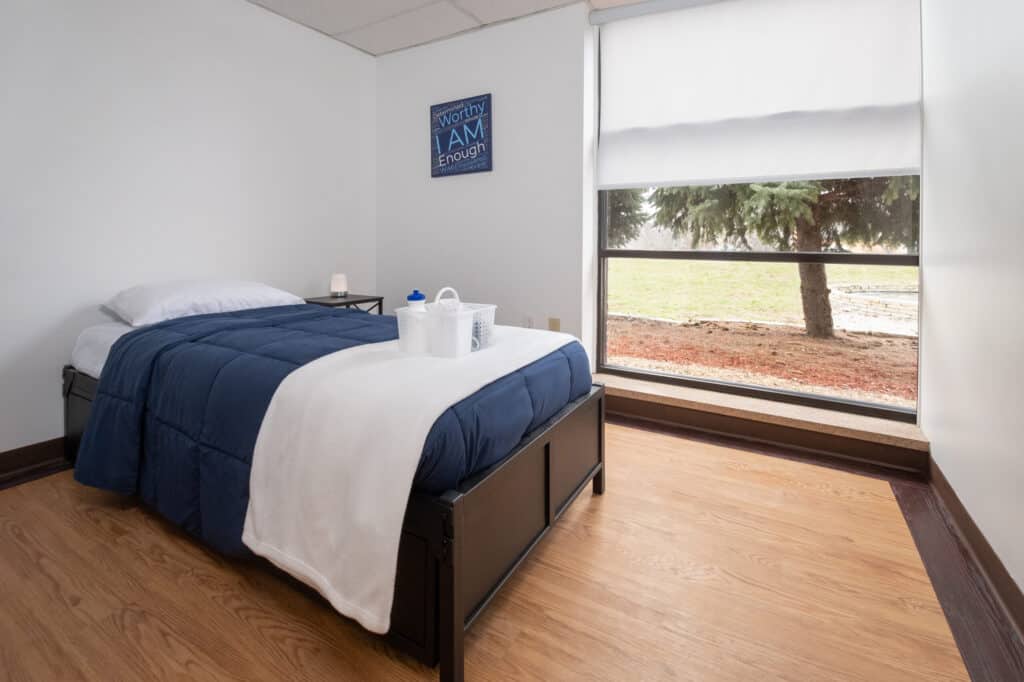
What Are The Techniques Used In Music Therapy?
Six techniques used in music therapy include guided imagery and music, neurologic music therapy, the Bonny method of guided imagery and music, vocal music therapy, community music therapy, and receptive music therapy.
- Guided Imagery and Music (GIM): This technique involves individuals listening to specific pieces of music in a relaxed state to stimulate memories and emotions. The therapist guides the person through the experience, helping them explore their inner landscape and uncover insights that lead to emotional healing and facilitate recovery from addiction.
According to Bonde, 2014, “Music Therapy: Research and Evidence,” GIM helps uncover significant emotional and existential insights that affect addiction through the music-listening experience.
- Neurologic Music Therapy (NMT): This method supports individuals grappling with addiction by utilizing music’s profound impact on the brain to address cognitive, emotional, and social aspects of recovery. By engaging in structured music-based activities, individuals undergo cognitive rehabilitation, enhancing vital skills like memory and decision-making. According to Blood AJ et al., 2001, “Intensely Pleasurable Responses to Music Correlate with Activity in Brain Regions Implicated in Reward and Emotion,” music that provokes peak experiences stimulates neural reward and emotion systems similar to those activated by drugs of abuse.
- Bonny Method of Guided Imagery and Music (BMGIM): Similar to GIM, this technique uses classical music and guided imagery to help individuals living with addiction explore personal growth, consciousness, and transformation.
It focuses on uncovering significant emotional and existential insights that affect addiction through the music-listening experience.
- Vocal Psychotherapy: This technique aids individuals battling addiction by utilizing vocal exercises and techniques to address underlying emotional and psychological factors contributing to substance use. Through guided vocal exercises, individuals explore and express their emotions, enabling them to confront and process underlying trauma, stress, or unresolved issues that fuel addictive behaviors. According to Strehlow, 2013, “The Use of Vocal Psychotherapy in the Treatment of Substance Use Disorders,” vocal therapy fosters mindfulness and self-awareness, empowering individuals to recognize triggers and develop healthier coping mechanisms.
- Community Music Therapy: This approach focuses on the communal aspects of music-making.
It involves group sessions where participants engage in musical activities like playing instruments, singing, or composing music together. Through collaborative music-making, individuals in recovery experience mutual support, empathy, and camaraderie, which are essential for overcoming feelings of isolation and alienation often associated with addiction. According to Pavlicevic and Ansdell, 2004, “Community Music Therapy,” this form of therapy enhances social bonds and provides mutual support crucial for recovery.
- Receptive Music Therapy: This technique involves listening to carefully selected music tracks or soundscapes designed to evoke specific emotional responses and promote relaxation, introspection, and mindfulness.
By immersing individuals in therapeutic music experiences, receptive music therapy helps reduce stress, anxiety, and cravings associated with addiction. According to Lin et al., 2014, “Effects of Music Listening on Stress and Anxiety in Addiction Treatment,” guided listening sessions promote emotional healing and stress reduction.
Where Can People With Substance Use Disorders Receive Music Therapy?
6 places where people with substance use disorders receive music therapy are rehabilitation centers, outpatient clinics, hospitals, health centers, support groups, and private practices.
- Rehabilitation Centers: These facilities often include music therapy as part of their comprehensive treatment programs. Music therapists work alongside other health professionals to provide a holistic approach to recovery.
They address the emotional and mental aspects of addiction.
- Outpatient Clinics: For those who attend regular treatment sessions while living at home, outpatient clinics offer music therapy. These sessions allow individuals to continue their personal and professional lives while receiving therapy aimed at maintaining sobriety and managing daily stresses.
According to the American Addiction Centers, 2023, “Music Therapy in Addiction Treatment,” music therapy sessions in outpatient clinics provide flexible treatment options for individuals maintaining their daily routines.
- Hospitals: In hospital settings, music therapy is used to help patients cope with their addiction and any co-occurring mental health disorders. Music therapy is seen especially in psychiatric or behavioral health units.
This setting provides a controlled environment where music therapy supports other medical and psychological treatments.
- Health Centers: These centers often provide music therapy to aid people with substance use disorders to integrate into their community. Music therapy sessions can promote social connectivity and enhance the sense of belonging, which is crucial for long-term addiction recovery.
- Support Groups and Recovery Programs: Some addiction support groups and recovery programs integrate music therapy into their regular meetings.
They use it as a tool for emotional expression and peer bonding.
- Private Practice: Licensed music therapists also offer private sessions specifically to individual needs and recovery goals. This one-on-one approach deeply addresses personal triggers and traumas related to substance abuse.
How Does Music Therapy Support Addiction Recovery?
Music therapy helps addiction by reducing stress, providing emotional release, and offering a creative outlet that can distract from cravings and reinforce coping skills.
According to the American Music Therapy Association, 2021, “Music Therapy and Addiction Treatment,” music therapy promotes wellness, manages stress, alleviates pain, enhances memory, improves communication, helps participants express feelings, and promotes physical rehabilitation.
What Specific Techniques Are Used In Music Therapy For Addiction?
Music therapy techniques used for addiction include creating, singing, moving to, and listening to music. For example, Neurologic Music Therapy (NMT) utilizes structured music-based activities to address cognitive, emotional, and social aspects of recovery.
According to Blood AJ et al., 2001, “Intensely Pleasurable Responses to Music Correlate with Activity in Brain Regions Implicated in Reward and Emotion,” music that provokes peak experiences stimulates neural reward and emotion systems similar to those activated by drugs of abuse.
Additionally, vocal psychotherapy involves vocal exercises to explore and express emotions, aiding in the confrontation and processing of underlying trauma and stress, as noted by Strehlow, 2013, “The Use of Vocal Psychotherapy in the Treatment of Substance Use Disorders.”
Can Music Therapy Be Used Alongside Other Addiction Treatments?
Yes, music therapy is often used as a complementary treatment alongside other modalities like psychotherapy and medication, enhancing the holistic approach to recovery. According to the American Addiction Centers, 2023, “Music Therapy in Addiction Treatment,” music therapy sessions in outpatient clinics provide flexible treatment options for individuals maintaining their daily routines, complementing other therapeutic interventions and supporting comprehensive addiction recovery.
Are you covered for treatment?

White Light Behavioral Health is an approved provider for Blue Cross Blue Shield and TUFTS, while also accepting many other major insurance carriers.
How does music therapy complement yoga therapy in the treatment of addiction and mental health?
Music therapy and yoga therapy complement each other effectively in the treatment of addiction and mental health by addressing both the emotional and physical aspects of recovery. Music therapy uses rhythmic and melodic elements to help individuals process emotions, reduce stress, and improve mental well-being.
Yoga therapy, on the other hand, combines physical postures, breathing exercises, and meditation to promote physical health, relaxation, and mindfulness. Together, these therapies create a holistic treatment approach that helps individuals build emotional resilience, reduce cravings, and improve overall quality of life.
What are the benefits of combining music therapy with art therapy in addiction recovery programs?
Combining music therapy with art therapy in addiction recovery programs offers a multifaceted approach that engages different forms of creative expression to support healing and growth. Music therapy helps individuals explore and process their emotions through sound and rhythm, promoting relaxation and emotional release.
Art therapy, involving visual arts like drawing, painting, and sculpting, allows individuals to express feelings and thoughts they might struggle to verbalize. This combination enhances self-awareness, emotional expression, and coping skills, providing a rich, supportive environment for recovery.
What Are The Qualifications Of A Music Therapist Working With Addiction Patients?
Qualified music therapists hold a degree in music therapy from an accredited program. They are certified by the appropriate professional bodies to practice, ensuring they understand both the therapeutic and musical components of their work.
According to the American Music Therapy Association, 2021, “Music Therapy and Addiction Treatment,” music therapists design activities specific to an individual’s needs and addiction treatment goals, fostering an environment where music supports healing and overall development.
Share This Post

Dr. Ryan Wakim M.D.
All author posts
TREATMENTS WE OFFER
Are you covered for treatment?














White Light Behavioral Health is an approved provider for Blue Shield and Tufts, while also accepting many other major insurance carriers.
Check Coverage Now!