
Disulfiram: Role in Alcohol Dependence, Dosage Guide, and Safer Alternatives

For individuals struggling with alcohol use disorder (AUD), disulfiram helps to make drinking an uncomfortable experience, discouraging further consumption. According to the Ohio Department of Mental Health and Addiction Services (OhioMHAS) (2023), Disulfiram was prescribed in less than 3% of alcohol use disorder (AUD) cases treated in publicly funded facilities.
Disulfiram works by inhibiting the enzyme aldehyde dehydrogenase (ALDH), leading to a buildup of acetaldehyde in the bloodstream, which causes unpleasant symptoms when alcohol is consumed.
The standard Disulfiram dosage you’ll take is 250 mg once daily. Depending on individual tolerance and medical conditions, the dosage ranges between 125 mg and 500 mg. It is taken orally, with or without food, and requires at least 12 hours of alcohol abstinence before starting treatment to prevent severe reactions.
Safer alternatives to Disulfiram for alcohol addiction include Naltrexone, Acamprosate, and Baclofen.
Disulfiram should not be used with alcohol, Metronidazole, Isoniazid, or Warfarin.
What Is Disulfiram?
Disulfiram is an FDA-approved prescription drug used primarily in the treatment of alcohol dependence and alcoholism. Its chemical composition is C10H20N2S4, and it works as an alcohol-aversive agent.
Disulfiram is marketed under the brand name Antabuse and is prescribed to individuals seeking to abstain from alcohol. By interfering with alcohol metabolism, it discourages consumption by causing unpleasant physiological reactions when alcohol is ingested.
Did you know most health insurance plans cover substance use disorder treatment? Check your coverage online now.
What Is the Mechanism of Action of Disulfiram?
The mechanism of action of Disulfiram is based on its inhibition of the enzyme aldehyde dehydrogenase (ALDH), which plays an important role in alcohol metabolism. Normally, the alcohol you take is broken down in the liver into acetaldehyde, which is then converted into acetic acid by ALDH. However, Disulfiram blocks ALDH, leading to a buildup of acetaldehyde in the bloodstream.
High levels of acetaldehyde cause unpleasant symptoms such as nausea, flushing, vomiting, palpitations, and headaches, which create a strong aversion to alcohol. This alcohol aversion mechanism helps reinforce abstinence.
How Long Does Disulfiram Stay in Your System?
Disulfiram stays in the system for up to two weeks after the last dose because it irreversibly inhibits aldehyde dehydrogenase (ALDH). The body requires time to regenerate new ALDH enzymes, even if the medication is stopped.
More Resources on Addiction:
What Is the Recommended Dosage of Disulfiram?
The recommended starting dose of Disulfiram is 500 mg once daily for the first 1 to 2 weeks, followed by a maintenance dose of 250 mg daily. In some cases, dosages are adjusted based on medical history and tolerance. Individuals with liver disease, kidney disease, or cardiovascular conditions require dose adjustments.
Disulfiram dosage guidelines are as follows:
Treatment Phase Dosage Duration Initial Dose 500 mg/day 1 to 2 weeks Maintenance Dose 250 mg/day Long-term as prescribed
How Should Disulfiram Be Taken for Best Results?
Disulfiram should be taken once daily, preferably in the morning, with or without food, as directed by Drugs.com. As an oral tablet, it should be swallowed whole with water.
Individuals must strictly avoid alcohol-containing products, including cough syrups, mouthwash, certain vinegars, and fermented foods, as even small amounts of alcohol trigger a severe reaction to maximize its effectiveness. Before starting treatment, patients should abstain from alcohol for at least 12 hours.
After discontinuation, they should continue to avoid alcohol for up to two weeks due to the lingering effects of the medication. Consistency in taking Disulfiram is important to maintain therapeutic effectiveness and reinforce alcohol aversion.
What Factors Influence the Correct Dosage of Disulfiram?
Factors that influence the correct dosage of Disulfiram include age, liver function, weight, and concurrent medications, as these variables affect how the body metabolizes and responds to the drug. Physicians adjust the dosage to ensure therapeutic effectiveness while minimizing side effects.
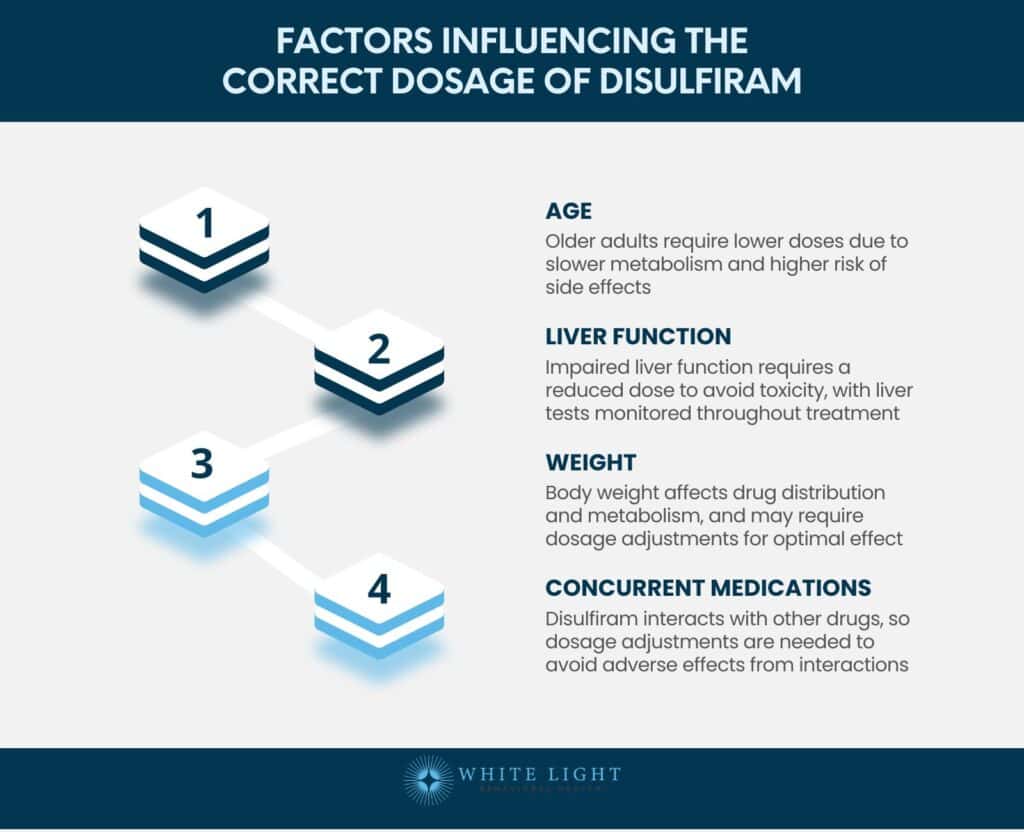
The following factors influence the correct dosage of Disulfiram:
- Age: Older adults require a lower dosage due to slower metabolism and an increased risk of side effects. Physicians start with a conservative dose and adjust based on tolerance.
- Liver Function: Since Disulfiram is metabolized in the liver, individuals with impaired liver function need a reduced dose to prevent toxicity.
Liver function tests are conducted before and during treatment to monitor safety.
- Weight: Body weight influences drug distribution and metabolism. Higher-weight individuals metabolize the drug differently, potentially requiring dose modifications for optimal effect.
- Concurrent Medications: Disulfiram interacts with various medications, including warfarin, phenytoin, and certain antidepressants, altering their effects.
Physicians must adjust the dosage or monitor for drug interactions to avoid adverse effects.
Contact us today to schedule an initial assessment or to learn more about our services. Whether you are seeking intensive outpatient care or simply need guidance on your mental health journey, we are here to help.
What Should You Do If You Miss a Dose of Disulfiram?
Take the missed dose as soon as you remember, unless it is close to your next scheduled dose. If you miss a dose of Disulfiram, skip the missed dose and continue your regular dosing schedule.
Do not double up on doses, as this increases the risk of side effects or accidental overdose. Try to take it at the same time each day to maintain Disulfiram’s effectiveness. If you frequently miss doses, consult your healthcare provider for guidance on maintaining consistency in your treatment plan.
What Are the Common Side Effects of Disulfiram?
The common side effects of Disulfiram are nausea, headache, and a metallic taste, which occur frequently as the body adjusts to the medication. Other side effects, such as fatigue and drowsiness, are also experienced by some individuals.
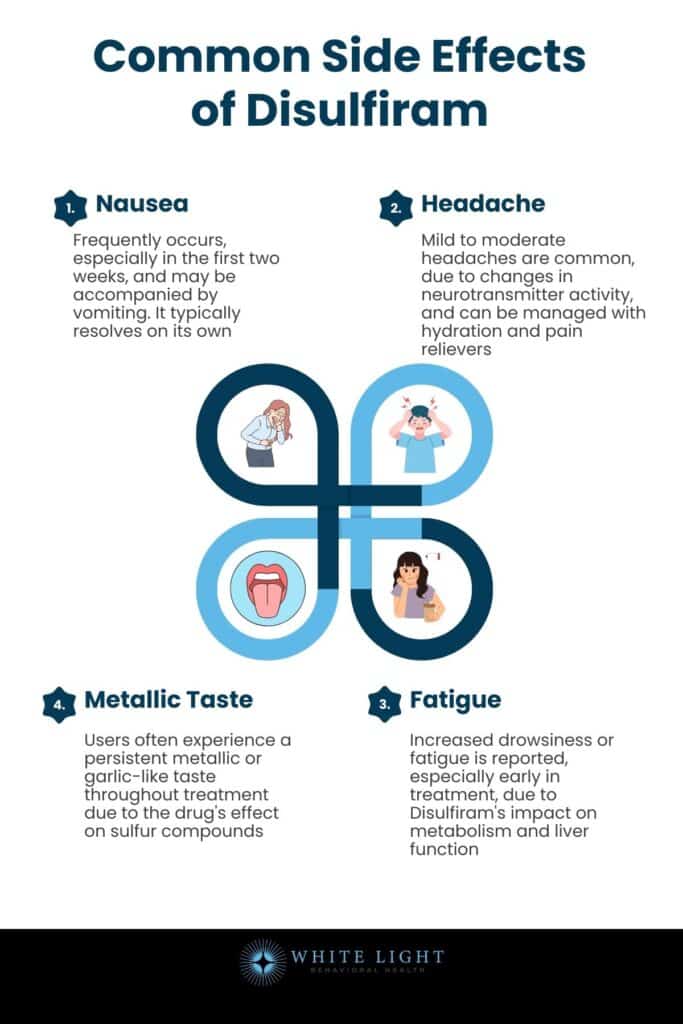
The common side effects of Disulfiram are as follows:
- Nausea: Nausea is one of the most frequently reported side effects of Disulfiram, particularly when the medication is first started. It is sometimes accompanied by vomiting.
- Headache: Many users experience mild to moderate headaches due to altered neurotransmitter activity.
These headaches are usually temporary and are managed with hydration and over-the-counter pain relievers.
- Metallic Taste: A persistent metallic or garlic-like taste in the mouth is reported by Disulfiram users and lasts throughout treatment. This occurs due to Disulfiram’s effects on sulfur-containing compounds in the body.
- Fatigue: Some patients report increased drowsiness or fatigue, especially in the early stages of treatment.
This is due to Disulfiram’s influence on metabolism and liver function.
Can Disulfiram Cause Severe Reactions?
Yes, Disulfiram can cause severe reactions, though they are rare. These reactions are linked to liver toxicity, psychiatric effects, and cardiovascular issues, requiring immediate medical attention.
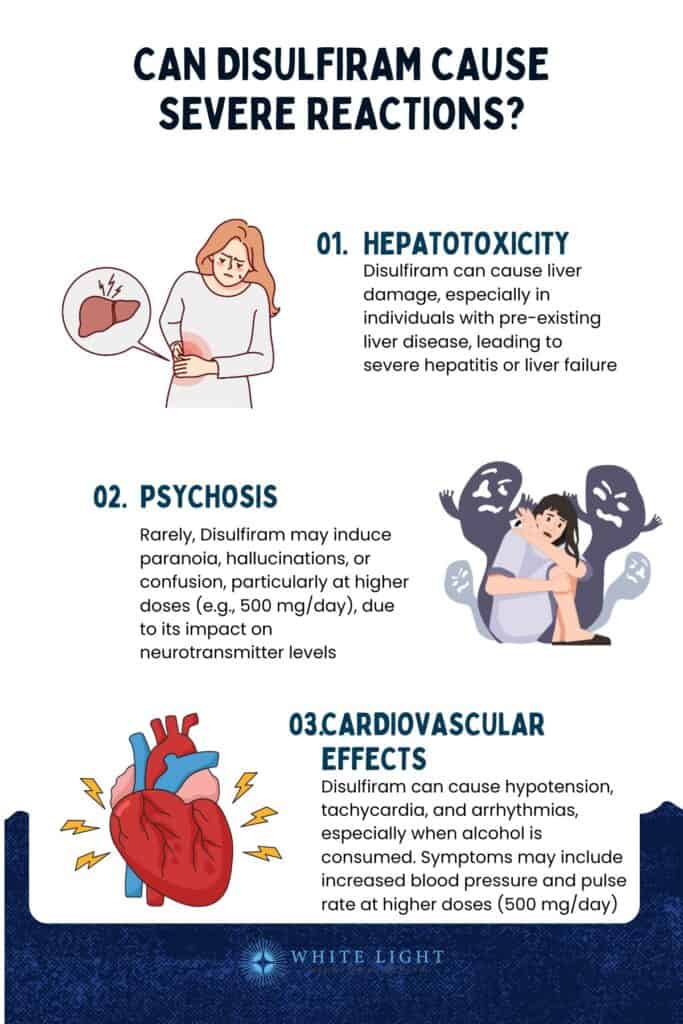
Disulfiram causes the following severe reactions:
- Hepatotoxicity: Disulfiram causes liver damage, particularly in individuals with pre-existing liver disease.
- Psychosis: In rare instances, Disulfiram has been associated with paranoia, hallucinations, and confusion.
- Cardiovascular Effects: Disulfiram causes hypotension, tachycardia, and arrhythmias, particularly in patients consuming alcohol. Up to 30% of users experience cardiovascular symptoms during a Disulfiram-alcohol reaction.
Can Disulfiram Cause Death?
Yes, Disulfiram can cause death in rare cases, particularly due to severe Disulfiram-alcohol reactions, respiratory depression, and cardiovascular collapse.
If alcohol is consumed while taking Disulfiram, it leads to life-threatening symptoms, including severe hypotension, arrhythmias, and multi-organ failure.
In rare instances, acute hepatotoxicity has also led to fatal liver failure. Although fatal reactions are rare, they have been documented in severe overdose cases or alcohol interactions.
Are There Safer Alternatives to Disulfiram for Alcohol Addiction?
Yes, there are safer alternatives to Disulfiram for alcohol addiction that are commonly used in medication-assisted treatment (MAT) to support relapse prevention and reduce alcohol cravings. These alternatives to Disulfiram for alcohol addiction do not cause severe alcohol-aversive reactions and are safer for individuals with liver concerns or psychiatric conditions. The choice of medication depends on the patient’s medical history, alcohol consumption patterns, and risk factors.
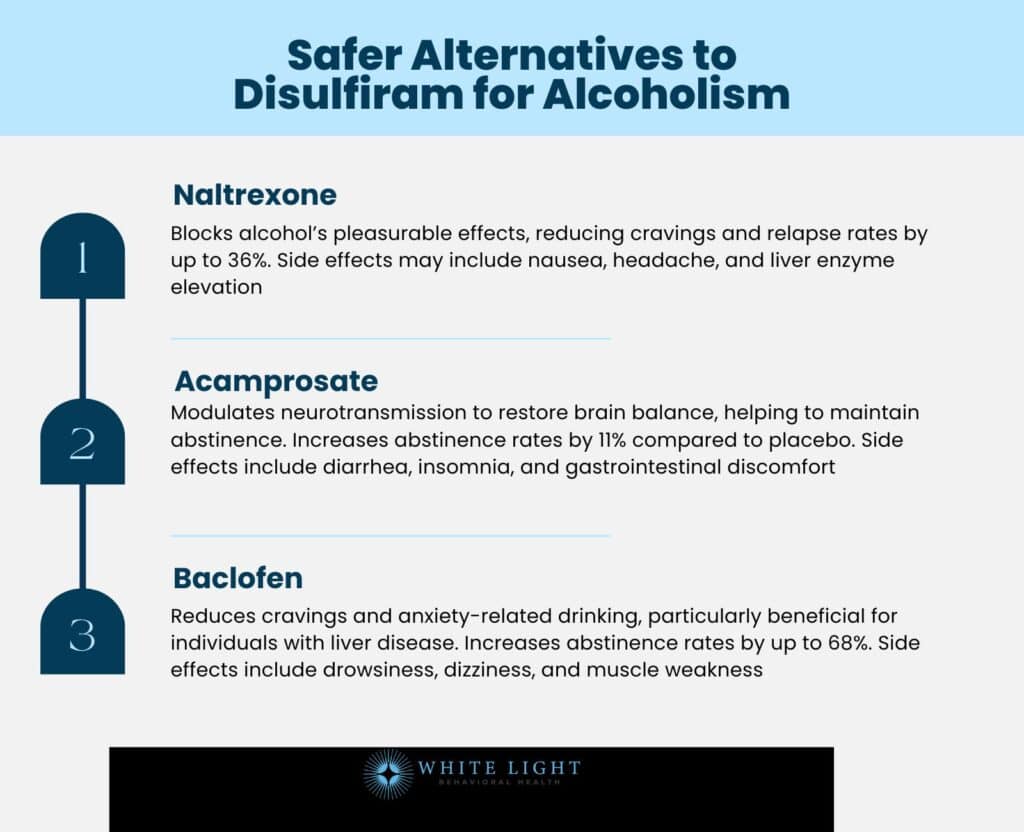
The alternatives to Disulfiram for alcoholism are:
- Naltrexone: This opioid antagonist blocks the pleasurable effects of alcohol by inhibiting endorphin release, reducing cravings, and the urge to drink.
- Acamprosate: This medication modulates glutamate and GABA neurotransmission, helping to restore brain balance after alcohol dependence. It is particularly useful for maintaining abstinence and is more effective in individuals with a strong commitment to sobriety.
- Baclofen: A GABA-B receptor agonist, Baclofen helps reduce alcohol cravings and anxiety-related drinking. It is sometimes used in patients with liver disease since it does not heavily affect liver function.
Can Therapy Be Used Instead of Disulfiram?
Yes, therapy can be used instead of Disulfiram for treating alcoholism, as behavioral therapy and psychological interventions have been proven effective in supporting long-term sobriety.
Cognitive Behavioral Therapy (CBT) helps individuals identify triggers, develop coping strategies, and change negative thought patterns associated with drinking. 12-step programs, such as Alcoholics Anonymous (AA), provide peer support and accountability, reinforcing long-term recovery.
Motivational Interviewing (MI) enhances an individual’s intrinsic motivation to quit drinking by addressing ambivalence and setting personalized goals. While therapy alone is beneficial, research shows that combining psychological treatment with medication significantly improves success rates.
Rediscover Life at White Light Behavioral Health
Get the compassionate support you deserve. We're here to help you reclaim joy, wellness, and a brighter future.
Our Facility
What Medications and Substances Should Not Be Combined with Disulfiram?
Alcohol, Metronidazole, and Warfarin should not be combined with Disulfiram due to the risk of dangerous drug interactions, CNS effects, and toxicity. Combining Disulfiram with alcohol or specific drugs leads to severe reactions, including neurological symptoms, cardiovascular complications, and liver toxicity.
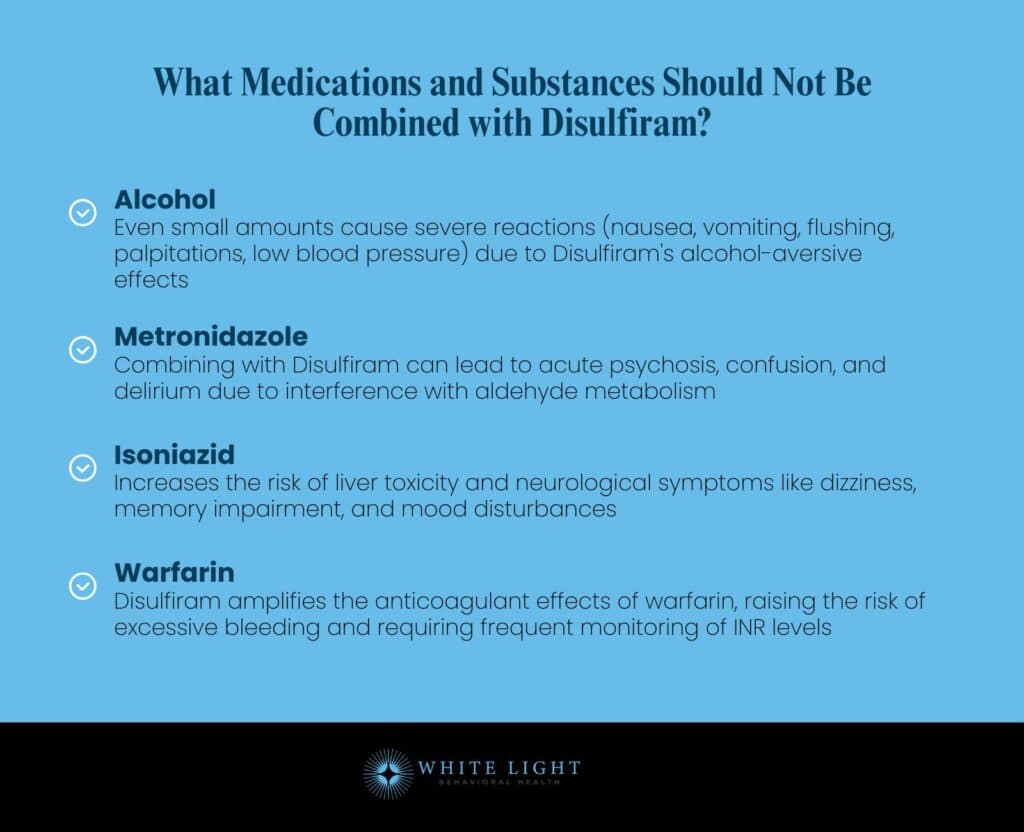
The following medications and substances should not be combined with Disulfiram:
- Alcohol: Even small amounts of alcohol, including those found in mouthwash, cough syrups, and cooking extracts, trigger a severe Disulfiram-alcohol reaction (DAR), leading to nausea, vomiting, flushing, palpitations, and low blood pressure.
- Metronidazole: This antibiotic interacts with Disulfiram and causes acute psychosis, confusion, and delirium, making it unsafe for concurrent use. Both drugs affect aldehyde metabolism, worsening neurotoxic effects.
- Isoniazid: Isoniazid, which is used to treat tuberculosis, when combined with Disulfiram, increases the risk of liver toxicity and neurological symptoms such as dizziness, memory impairment, and mood disturbances.
- Warfarin: Disulfiram increases the anticoagulant effects of warfarin, leading to an elevated risk of excessive bleeding and prolonged blood clotting times.
Patients on both medications require frequent monitoring of INR levels.
Can You Take Naltrexone and Disulfiram Together?
Yes, Naltrexone and Disulfiram can be taken together, but caution is necessary due to the potential for increased liver toxicity. Both medications are used in alcohol use disorder (AUD) treatment.
Disulfiram discourages alcohol consumption by causing adverse reactions with alcohol, while Naltrexone reduces cravings and the pleasurable effects of alcohol. However, since both drugs are processed by the liver, using them together elevates the risk of hepatotoxicity, necessitating regular liver function tests (LFTs) and medical supervision.
What Food Should You Avoid When Taking Disulfiram?
You should avoid vinegar, fermented foods, certain sauces, and alcohol-containing cough syrups when taking Disulfiram. These food items trigger adverse reactions similar to alcohol consumption.
The following foods should be avoided when taking Disulfiram:
- Vinegar and vinegar-based condiments: Vinegar and vinegar-based condiments contain small amounts of ethanol from fermentation, which initiate a Disulfiram-like reaction.
- Fermented foods (e.g., kombucha, kimchi, sauerkraut): Due to their fermentation process, these foods contain residual alcohol that initiate a Disulfiram-like reaction.
- Soy sauce, teriyaki sauce, and miso: Some condiments and sauces undergo fermentation, leaving behind trace alcohol content.
- Alcohol-containing cough syrups and extracts: Many medicinal syrups and flavoring extracts (e.g., vanilla, almond extracts) contain hidden alcohol, which leads to severe nausea, vomiting, and flushing when combined with Disulfiram.
Can You Buy Disulfiram Over the Counter in Ohio?
No, Disulfiram is not available over the counter. It is a prescription-only medication in the U.S., requiring a doctor’s evaluation before use. Due to serious potential side effects and contraindications, the FDA classifies Disulfiram as a controlled prescription medication, ensuring that patients receive proper medical supervision while on treatment.
What Happens If Disulfiram Treatment Is Stopped?
The risk of alcohol relapse increases if Disulfiram treatment is stopped, especially if no alternative treatments are in place. To maintain sobriety, patients should transition to alternative treatments, such as behavioral therapy, Naltrexone, or Acamprosate. Ongoing counseling and support groups, such as Alcoholics Anonymous (AA), further reduce relapse risk and help sustain recovery.
Share This Post

Dr. Ryan Wakim M.D.
All author posts
TREATMENTS WE OFFER
Are you covered for treatment?















White Light Behavioral Health is an approved provider for Blue Shield and Tufts, while also accepting many other major insurance carriers.
Check Coverage Now!