What Is Alcohol? Definition, Usage, Types, Effects, Addiction

Alcohol is a common psychoactive substance found in beer, wine, and spirits.
Used in social settings, cooking, and even medicine, alcohol’s effects depend on how much you drink and how often. According to the Ohio Department of Health (2023), 23.7% of adults in Franklin County reported binge drinking in the past month, above both state and national averages.
Short-term, it causes nausea, poor judgment, and intoxication. Long-term, it’s linked to liver disease, heart issues, cancer, and mental health disorders. Alcohol’s impact on dopamine also makes it highly addictive, reinforcing compulsive use over time.
What is Alcohol?
Alcohol is a chemical compound that occurs in various forms, with ethanol being the only type suitable for human consumption. As a psychoactive substance, ethanol alters brain function and affects mood, behavior, and cognition.
It is classified as a depressant, meaning it slows down the central nervous system, leading to relaxation and impaired coordination at higher doses.
Ethanol is produced through the fermentation of sugars by yeast and is the key ingredient in alcoholic beverages such as beer, wine, and spirits.
In the United States and Ohio, alcohol is legal for adults aged 21 and over, with regulations varying across states regarding its sale, distribution, and consumption.
Did you know most health insurance plans cover substance use disorder treatment? Check your coverage online now.
How Is Alcohol Consumed?
Alcohol is consumed in various ways, including drinking, cooking, and medicinal use. It is most commonly ingested as a beverage in social and personal settings, but it is also used in food preparation.
Various ways to consume alcohol are:
- Drinking Alcohol: People consume alcohol through different drinking patterns, such as moderate drinking, social drinking, and binge drinking. Moderate drinking follows recommended limits, while social drinking occurs in gatherings.
- Cooking with Alcohol: Alcohol is used in various cuisines to enhance flavors and create rich sauces.
More Resources on Addiction:
Common cooking methods include deglazing, marinating, and flambéing.
- Medicinal Use: Alcohol has historical and modern medicinal applications. It is used as an antiseptic, a solvent in medications, and in some traditional remedies.
Some over-the-counter medicines contain alcohol as a preservative or active ingredient.
What Happens to Alcohol in Your Body?
In your body, alcohol enters the bloodstream almost immediately after consumption, where it is absorbed primarily through the stomach and small intestine. The absorption rate depends on factors such as food intake and alcohol concentration.
Once in the bloodstream, alcohol is distributed throughout the body’s tissues, affecting organs such as the liver, brain, and heart.
Alcohol is eliminated from the body through breath, urine, and sweat, but the process is slow. On average, the body metabolizes alcohol at a fixed rate, around 0.015% blood alcohol concentration (BAC) per hour, meaning excessive drinking leads to prolonged intoxication and hangovers.
What Factors Influence Alcohol Metabolism?
The factors that influence alcohol metabolism are biological and environmental, affecting how quickly and efficiently the body processes alcohol. These factors determine an individual’s tolerance and risk of intoxication.
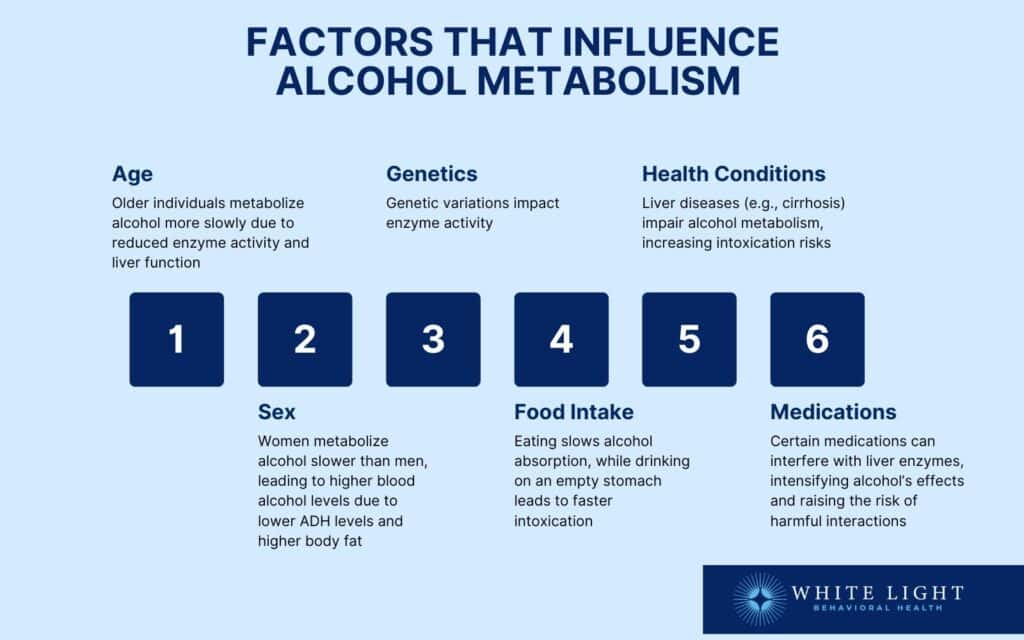
Factors that influence alcohol metabolism:
- Age: As people age, their ability to metabolize alcohol decreases due to lower enzyme activity and reduced liver function. Older individuals experience stronger and prolonged effects from alcohol.
- Sex: Women metabolize alcohol more slowly than men due to lower levels of alcohol dehydrogenase (ADH) and higher body fat percentages.
This leads to higher blood alcohol concentration (BAC) in women after consuming the same amount as men. According to SAMHSA, only 2% of American women are heavy drinkers, compared with 9% of men.
- Genetics: Genetic variations affect alcohol metabolism, particularly in the ALDH and ADH enzymes.
Some people, especially of East Asian descent, experience an “alcohol flush reaction” due to a deficiency in ALDH, leading to symptoms like nausea and rapid heartbeat.
- Food Intake: Consuming alcohol on an empty stomach leads to faster absorption and higher BAC. Eating before drinking slows down alcohol absorption, giving the liver more time to metabolize it.
- Health Conditions: Liver diseases such as hepatitis or cirrhosis impair alcohol metabolism, increasing the risk of intoxication and toxic buildup.
- Medications: Some medications interfere with alcohol metabolism by inhibiting liver enzymes, leading to stronger effects. Combining alcohol with certain drugs is dangerous and increases the risk of liver damage, drowsiness, or even overdose.
What Are the Different Types of Alcohol?
The different types of alcohol are ethanol-based beverages, including beer, wine, spirits, cider, liqueurs, and mead, as well as non-consumable alcohols.
While ethanol is safe for human consumption in moderation, other alcohol types are highly toxic and should never be ingested.
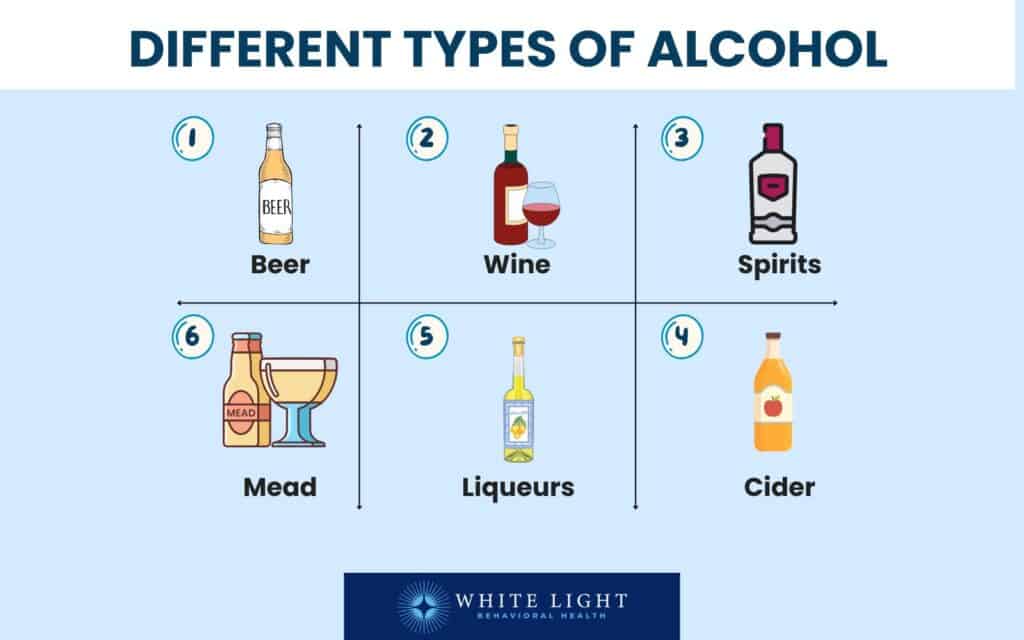
The different types of alcohol are explained below:
- Beer: One of the oldest alcoholic beverages, beer is made from fermented grains like barley, wheat, and corn. It has an alcohol content of 3 to 7% ABV (alcohol by volume).
Common types include lagers, ales, stouts, and pilsners.
- Wine: Produced by fermenting grapes or other fruits, wine has an ABV of 9 to 16%. It comes in various styles, including red, white, rosé, and sparkling wines like champagne.
Fortified wines like sherry and port have higher alcohol content due to added spirits.
- Spirits: Also known as hard liquor, spirits undergo distillation to increase their alcohol concentration, resulting in an ABV of 20 to 50% or higher. Examples include whiskey, vodka, rum, gin, and tequila, which are consumed straight, in cocktails, or mixed drinks.
- Cider: Made from fermented apples or pears, cider has an ABV of 4 to 8%.
It is still or carbonated and varies in sweetness depending on the fermentation process. Hard cider is popular in many countries as an alternative to beer.
- Liqueurs: These are sweetened spirits infused with flavors such as herbs, fruits, nuts, or spices.
Liqueurs have an ABV of 15 to 30%, including varieties like Baileys Irish Cream, Grand Marnier, and Amaretto. They are used in cocktails or served as digestifs.
What Are the Short-Term Effects of Alcohol Consumption?
The short-term effects of alcohol consumption are intoxication, euphoria, impaired judgment, drowsiness, and vomiting.
These effects are temporary but significantly impact physical and mental functions.
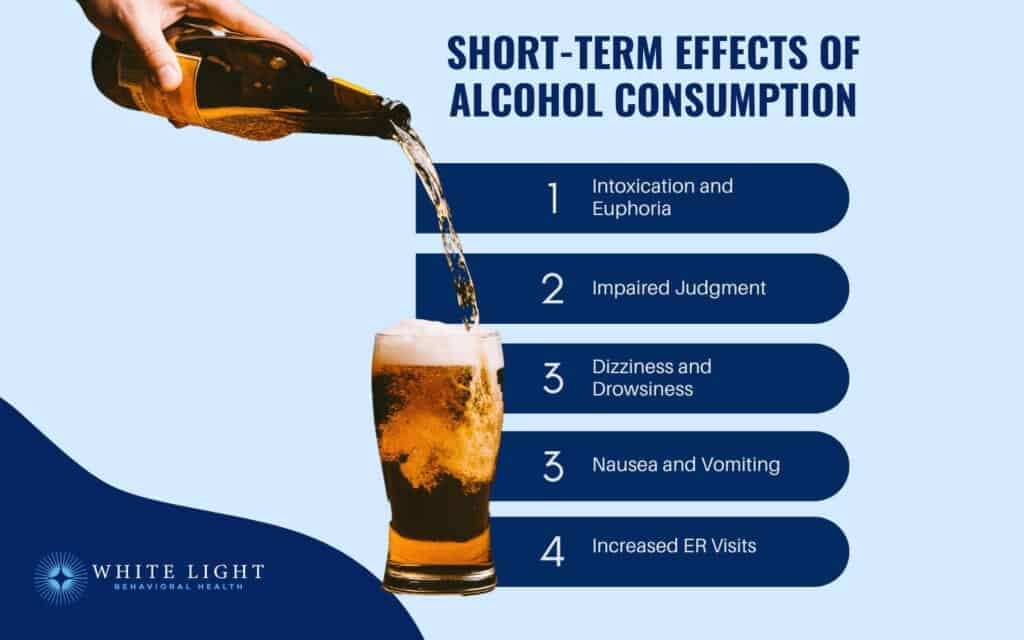
The short-term effects of alcohol consumption are as follows:
- Intoxication and Euphoria: Alcohol triggers dopamine release, causing feelings of pleasure and relaxation. However, excessive consumption leads to slurred speech, poor coordination, and memory lapses.
- Impaired Judgment: Alcohol affects the brain’s prefrontal cortex, reducing the ability to reason and increasing risky behaviors, such as drunk driving or unprotected sex.
- Dizziness and Drowsiness: Alcohol slows down central nervous system activity, leading to fatigue, sluggish reflexes, and difficulty concentrating, according to the Mayo Clinic.
- Nausea and Vomiting: Alcohol irritates the stomach lining, causing gastric distress and vomiting, especially when consumed in excess.
- Increased Risk of Emergency Room Visits: According to the same NCDAS report, Ohio experiences an average of 5,739 annual deaths attributable to excessive alcohol use.
Contact us today to schedule an initial assessment or to learn more about our services. Whether you are seeking intensive outpatient care or simply need guidance on your mental health journey, we are here to help.
What Are the Long-Term Health Consequences of Alcohol Use?
The long-term health consequences of alcohol use are liver disease, heart disease, mental health disorders, and brain damage. These effects are severe, affecting multiple organs.
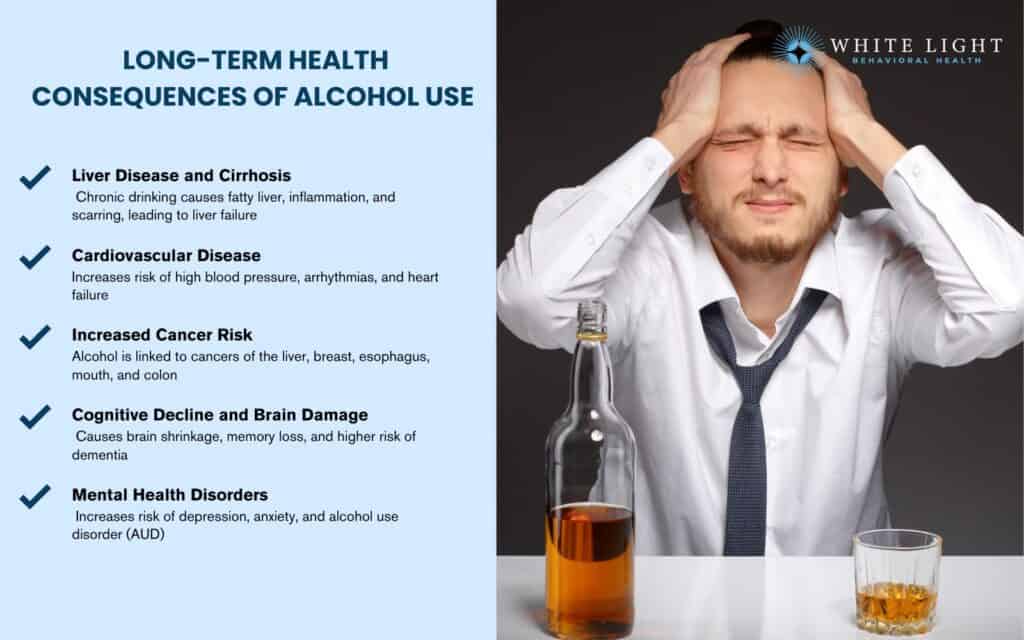
The long-term health consequences of alcohol use are:
- Liver Disease and Cirrhosis: Chronic alcohol use causes fatty liver, inflammation, and scarring, leading to alcohol-related liver disease (ARLD) and cirrhosis, which is a major cause of liver failure, as reported by the World Health Organization.
- Cardiovascular Disease: Long-term alcohol consumption raises the risk of high blood pressure, irregular heartbeats (arrhythmias), and heart failure.
- Increased Cancer Risk: Alcohol is classified as a Group 1 carcinogen by the International Agency for Research on Cancer (IARC). It is linked to cancers of the liver, breast, esophagus, mouth, and colon.
- Cognitive Decline and Brain Damage: Prolonged alcohol use leads to brain shrinkage, memory loss, and a higher risk of dementia, particularly Wernicke-Korsakoff syndrome, a severe neurological disorder caused by thiamine deficiency.
- Mental Health Disorders: Chronic alcohol consumption increases the risk of depression, anxiety, and alcohol use disorder (AUD), with heavy drinkers being twice as likely to experience major depressive episodes.
Is Alcohol Addictive?
Yes, alcohol is addictive because it alters brain chemistry, leading to dependence and alcohol use disorder (AUD).
It stimulates dopamine release, reinforcing pleasurable effects and making the brain crave more. Over time, tolerance builds, and withdrawal symptoms appear, increasing dependence.
According to the Ohio Department of Mental Health and Addiction Services (OhioMHAS), an estimated 503,000 Ohio residents struggle with alcohol use disorder annually, representing 5.1% of the state’s population. Highlighting the widespread impact of alcohol addiction.
What Are the Early Warning Signs of Alcohol Dependence?
The early warning signs of alcohol dependence are cravings, withdrawal symptoms, increased tolerance, and difficulty controlling alcohol intake. These signs develop gradually and indicate the onset of alcohol use disorder (AUD).
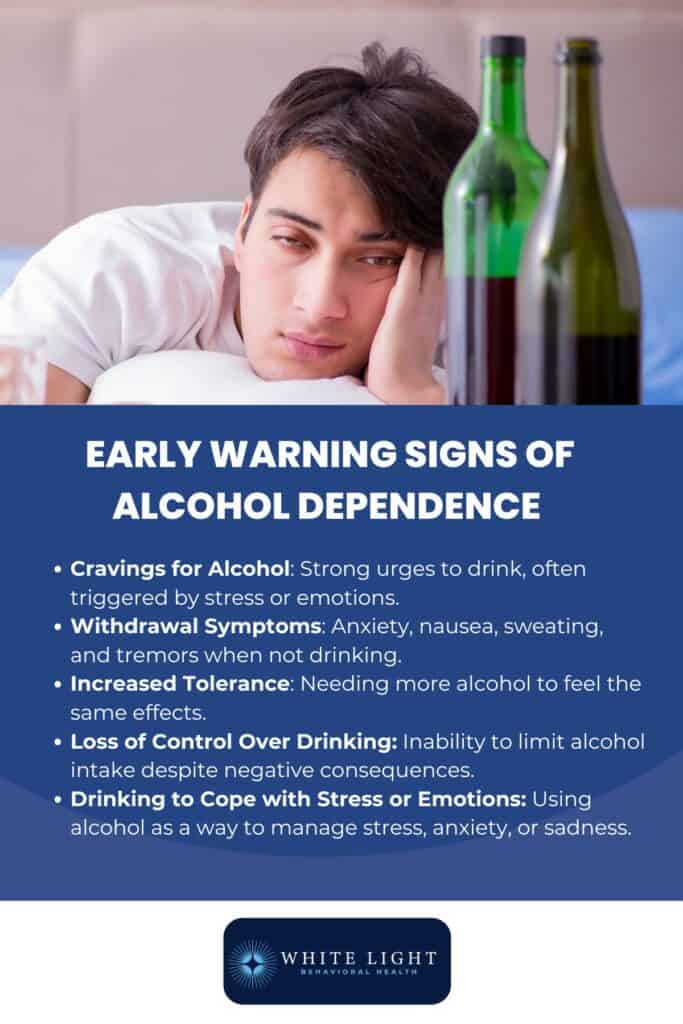
The early warning signs of alcohol dependence are explained below:
- Cravings for Alcohol: Craving is the strong urge to drink, triggered by stress, social settings, or emotional distress. Cravings make it difficult for individuals to cut back on alcohol consumption.
- Withdrawal Symptoms: Experiencing physical and psychological symptoms like anxiety, nausea, sweating, and tremors when not drinking are common early warning signs of alcohol dependence.
- Increased Tolerance: Needing more alcohol to achieve the same effects over time is an early warning sign of alcohol dependence.
- Loss of Control Over Drinking: Struggling to limit alcohol intake despite negative consequences, such as strained relationships, work issues, or health problems, is also a warning sign.
- Drinking to Cope with Stress or Emotions: Using alcohol as a primary way to manage stress, anxiety, or sadness rather than addressing underlying emotional or psychological concerns.
What Are the Legal Consequences of Alcohol Use in the U.S. and Ohio?
The legal consequences of alcohol use in the U.S. and Ohio encompass penalties for driving under the influence (DUI), underage drinking, and public intoxication. In Ohio, Section 4511.19 of the Ohio Revised Code outlines DUI laws, imposing stricter penalties for repeat offenders and lower BAC limits for commercial drivers and underage individuals.
The legal consequences of alcohol use in the U.S. and Ohio are explained below:
- Underage Drinking: In Ohio, individuals under 21 are prohibited from possessing or consuming alcohol. Exceptions exist if the underage person is supervised by a parent, spouse who is not underage, or legal guardian, or if the alcohol is provided for religious purposes.
Violations result in fines and community service.
- DUI Offenses: Ohio enforces strict DUI laws. For drivers under 21, a BAC of 0.02% or higher leads to charges of Operating a Vehicle After Underage Consumption (OVAUC), resulting in license suspension and other penalties.
- Public Intoxication: While Ohio law doesn’t criminalize public intoxication per se, disorderly conduct due to intoxication, such as causing inconvenience, annoyance, or alarm, leads to legal repercussions, including fines or jail time.
Share This Post

White Light Behavioral Health
All author posts
TREATMENTS WE OFFER
Are you covered for treatment?













White Light Behavioral Health is an approved provider for Blue Shield and Tufts, while also accepting many other major insurance carriers.
Check Coverage Now!