Alcohol Addiction Rehab: Definition, Types, Benefits, Treatment Approaches, Cost

Alcohol addiction rehabilitation combines medical care, psychological therapy, and behavioral interventions to help individuals stop drinking and regain functional living. According to the National Institute on Alcohol Abuse and Alcoholism, 29.5 million people in the U.S. aged 12 or older had alcohol use disorder in 2022, yet only 4.8% received treatment in a specialized facility.
The main types of alcohol addiction rehabilitation include inpatient rehab, outpatient rehab, partial hospitalization programs (PHP), intensive outpatient programs (IOP), and online treatment platforms.
The main benefits of alcohol addiction rehabilitation include physical and neurological healing, emotional stability, relapse prevention, and improved personal relationships. The National Institute on Drug Abuse reports that completing a structured rehab program reduces relapse risk by 50% and increases long-term recovery success.
Treatment approaches in alcohol rehab involve evidence-based therapies such as cognitive-behavioral therapy (CBT), motivational enhancement therapy (MET), medication-assisted treatment (MAT), and peer support integration.
The cost of alcohol addiction rehabilitation ranges from ₦200,000 to ₦5,000,000, depending on program length, facility type, and level of care. According to SAMHSA, public and nonprofit centers, supported by federal or state funding, offer low-cost or free treatment options for eligible individuals.
What Is Alcohol Addiction Rehabilitation?
Alcohol addiction rehabilitation is a structured medical and psychological process that helps individuals stop alcohol use, restore functional living, and prevent relapse. Rehabilitation addresses the biological, behavioral, and social components of alcohol use disorder (AUD) through clinical treatment, counseling, and long-term care strategies.
Rehabilitation is essential because alcohol use disorder has measurable impacts on health, safety, and mortality. According to the 2022 National Survey on Drug Use and Health, published by the Substance Abuse and Mental Health Services Administration (SAMHSA), 29.5 million people aged 12 or older in the U.S. had AUD. Among them, only 1.4 million received treatment at a specialized facility. This treatment gap emphasizes the need for structured rehab programs to address the scale and consequences of the disorder.
Alcohol addiction rehabilitation is recommended for individuals showing patterns of compulsive alcohol use, repeated failed attempts to stop, withdrawal symptoms, or continued drinking despite health, legal, or relationship problems. This includes both chronic and high-functioning alcoholics, individuals facing co-occurring disorders, and those experiencing social or professional impairment due to alcohol use.
The goals of alcohol addiction rehabilitation include achieving sustained abstinence, restoring physical and mental health, reintegrating individuals into family and social life, and reducing the risk of relapse.
Did you know most health insurance plans cover substance use disorder treatment? Check your coverage online now.
What Is the Purpose of Alcohol Addiction Rehab?
The purpose of alcohol addiction rehabilitation is to asses and diagonise, improve physical and mental health, develop coping skills, and achieve sobriety. It help individuals stop drinking, restore healthy functioning, and build resilience against relapse.
More Resources on Addiction:
According to the National Institute on Drug Abuse (NIDA), comprehensive rehab programs that combine therapy, medication, and support systems improve recovery outcomes by 40% compared to non-structured interventions.
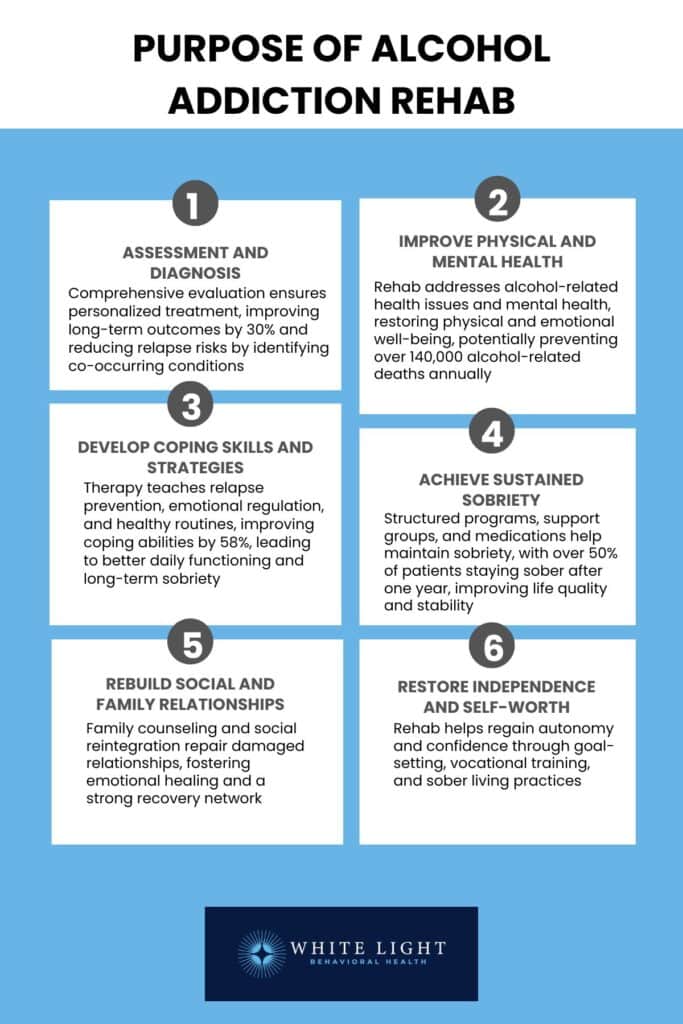
The purpose of alcohol addiction rehab is explained below:
- Assessment and diagnosis: Alcohol rehab begins with a comprehensive evaluation to determine the severity of alcohol use disorder and identify co-occurring mental or physical health conditions. This step ensures that treatment is individualized and medically appropriate.
According to SAMHSA’s Treatment Improvement Protocol, tailored care based on accurate diagnosis improves long-term outcomes by 30%. Early identification of underlying conditions also reduces the risk of misdiagnosis and relapse.
- Improve physical and mental health: Rehab provides medical supervision to address alcohol-related damage, such as liver dysfunction, malnutrition, and cognitive decline.
Psychological support is integrated to treat depression, anxiety, or trauma linked to alcohol use. According to a CDC report titled “Alcohol and Public Health” (2021), chronic alcohol use contributes to over 140,000 deaths annually, most of which are preventable through early treatment.
Rehab reverses some of these effects and restores mental clarity, energy, and emotional balance.
- Develop coping skills and strategies: Patients are taught relapse prevention tools, emotional regulation, and behavioral strategies through therapy. These skills replace destructive habits with healthy routines that support long-term sobriety.
Cognitive behavioral therapy alone has shown a 58% improvement in coping abilities among participants, according to research published by the National Institute on Drug Abuse (2020). These strategies improve daily functioning and enhance confidence in managing life without alcohol.
- Achieve sustained sobriety: Structured rehab maintains focus on long-term recovery through support groups, accountability systems, and aftercare planning.
Medications like naltrexone and acamprosate are also used to reduce cravings and prevent relapse. According to the National Institute on Alcohol Abuse and Alcoholism, patients who complete formal rehab programs maintain sobriety rates of over 50% after one year.
Continued abstinence improves work productivity, family stability, and overall well-being.
- Rebuild social and family relationships: Alcohol rehab programs involve family counseling and social reintegration strategies. These rebuild trust and communication within damaged relationships.
Strengthening these bonds supports emotional healing and creates a stronger recovery network.
- Restore independence and self-worth: Rehab empowers individuals to regain autonomy and confidence through structured goals and achievements. Vocational training, self-care routines, and sober living practices are emphasized.
How Does an Alcohol Rehab Work?
Alcohol rehab works by providing a structured environment where individuals receive medical care, psychological therapy, and lifestyle support to overcome alcohol dependence.
The process begins with detoxification under medical supervision, where the body eliminates alcohol while managing withdrawal symptoms. This is followed by evidence-based therapies such as cognitive-behavioral therapy (CBT), motivational enhancement therapy (MET), and contingency management, which are designed to change behavior, build motivation, and reinforce sobriety.
According to the National Institute on Drug Abuse (NIDA), combining these methods in a structured setting increases treatment effectiveness by up to 60%.
Structured rehab programs include individual therapy, group counseling, family involvement, and education on addiction. Patients receive customized treatment plans based on their diagnosis, medical history, and psychosocial needs.
Support systems, including 12-step programs and peer support groups, play a critical role in promoting accountability and emotional stability during and after treatment. The Substance Abuse and Mental Health Services Administration (SAMHSA) highlights that programs offering aftercare planning and community integration reduce relapse rates by over 40%.
What Are the Different Types of Alcohol Addiction Rehab?
The types of alcohol addiction rehab include inpatient rehab, outpatient rehab, partial hospitalization programs (PHP), intensive outpatient programs (IOP), and sober living homes. Each program varies in structure and intensity, with inpatient providing 24-hour medical supervision, while outpatient options offer flexible therapy schedules for those with stable living environments.
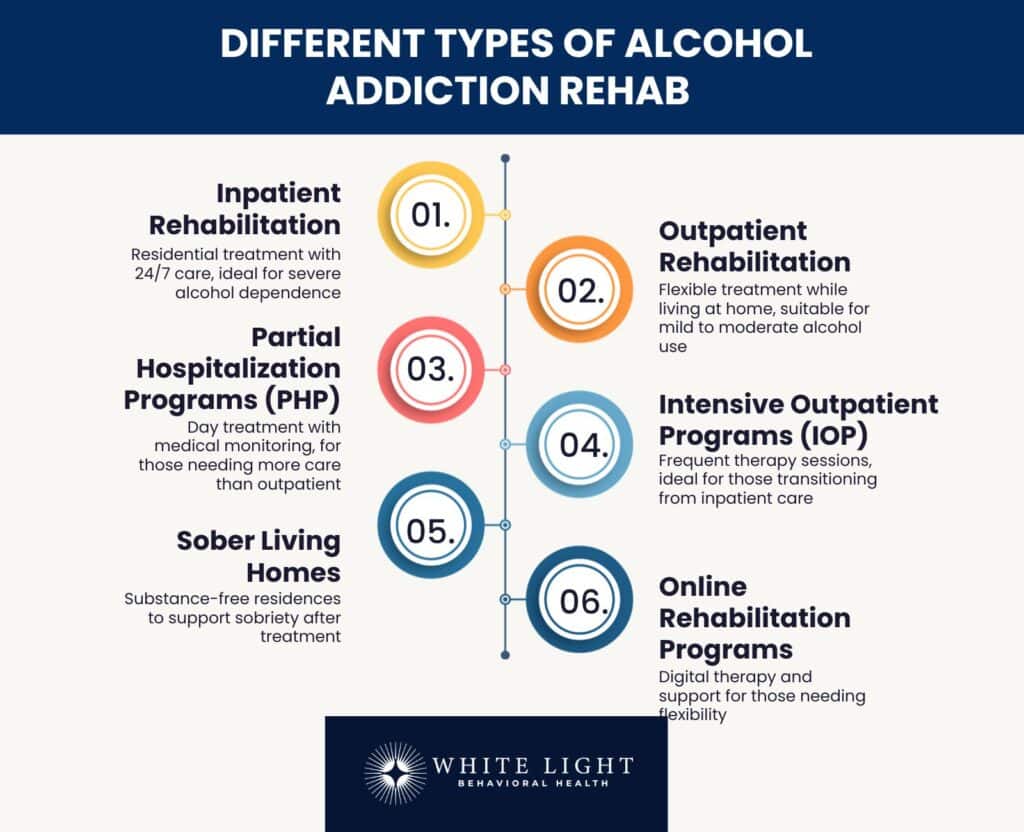
The different types of alcohol addiction rehab available are explained below:
- Inpatient Rehabilitation: This intensive, residential treatment requires individuals to live at a facility for a set period, 28 days to several months. It offers 24/7 medical supervision and structured therapy sessions, including individual counseling, group therapy, and educational workshops.
Inpatient rehab is best suited for those with severe alcohol dependence or co-occurring mental health disorders. According to the National Institute on Drug Abuse (NIDA), long-term residential treatment provides care 24 hours a day, generally in non-hospital settings, with planned lengths of stay between 6 and 12 months.
- Outpatient Rehabilitation: This flexible program allows individuals to live at home while attending scheduled treatment sessions at a facility. It includes therapies such as cognitive-behavioral therapy (CBT), motivational interviewing, and family counseling.
Outpatient rehab suits those with mild to moderate alcohol use disorders who have strong support systems.
- Partial Hospitalization Programs (PHP): PHPs are intensive outpatient programs where individuals receive treatment during the day but return home at night.
They offer medical monitoring, individual and group therapy, and medication management. PHPs are ideal for those requiring a higher level of care than standard outpatient programs but who do not need 24-hour supervision.
According to the Substance Abuse and Mental Health Services Administration (SAMHSA), PHPs involve treatment for 6 hours per day or more, providing a structured environment for recovery.
- Intensive Outpatient Programs (IOP): IOPs offer a higher level of care than standard outpatient programs, with treatment sessions held multiple times per week for several hours each day. They include individual counseling, group therapy, and relapse prevention education.
IOPs are suitable for individuals transitioning from inpatient care or those needing more support than traditional outpatient services provide. The National Institute on Alcohol Abuse and Alcoholism (NIAAA) notes that IOP is an effective alternative to inpatient treatment for many individuals.
- Sober Living Homes: These are structured, substance-free residences that support individuals transitioning from inpatient treatment to independent living. Residents are required to follow house rules, attend support group meetings, and contribute to household responsibilities.
Sober living homes are best suited for those who have completed a formal treatment program and seek a supportive environment to reinforce sobriety.
- Online Rehabilitation Programs: These digital platforms provide therapy sessions, educational resources, and support groups via the internet. They offer flexibility and accessibility, making them suitable for individuals unable to attend in-person sessions due to geographic or time constraints.
Online rehab is ideal for those with mild to moderate alcohol use disorders who are comfortable with technology.
What Are the Initial Steps to Assessing a Rehab?
The initial steps to assessing a rehab include verifying patterns of substance misuse, medical history, current health status, legal issues, family support, and psychiatric support. According to the National Institute on Drug Abuse (NIDA), treatment centers that follow evidence-based practices and offer individualized plans have significantly higher recovery outcomes.
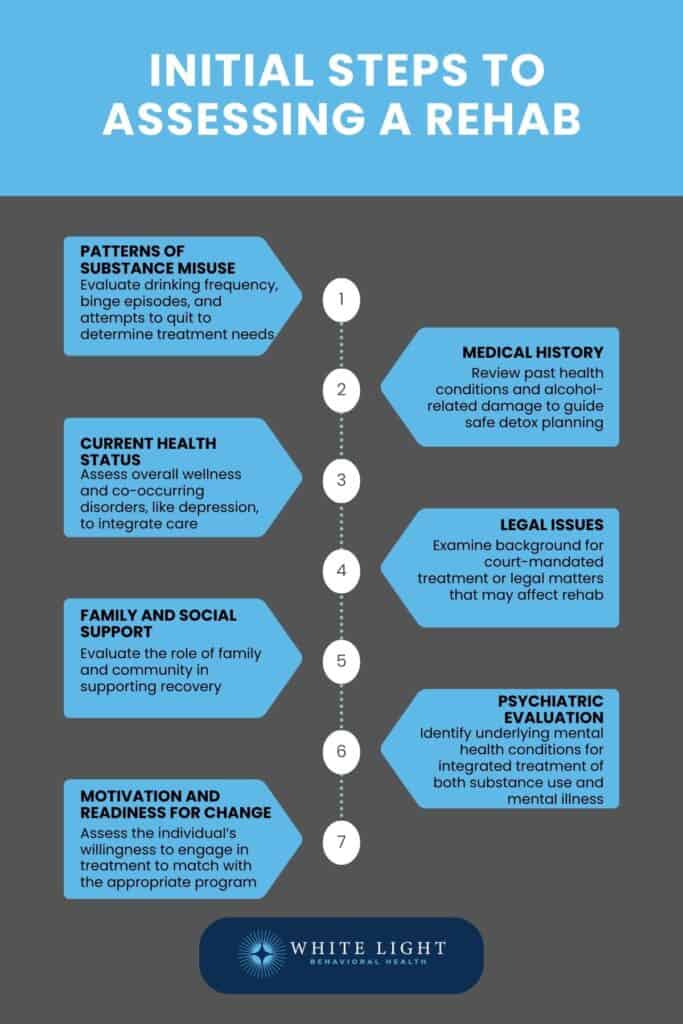
The initial steps to assessing a rehab are as follows:
- Patterns of substance misuse: This involves evaluating how frequently and how much alcohol is consumed, including binge episodes, dependence symptoms, and attempts to quit. Clinicians use screening tools like the AUDIT (Alcohol Use Disorders Identification Test) to gauge severity.
This step helps determine the appropriate treatment level and urgency of intervention.
- Medical history: A full medical review is conducted to understand pre-existing conditions, past treatments, medications, and alcohol-related damage to organs. This ensures safe detox planning, especially for those at risk of seizures or liver issues.
According to the NIAAA, untreated health issues complicate alcohol withdrawal and increase relapse risk.
- Current health status: Physicians perform lab tests, mental health screenings, and physical exams to assess overall wellness and co-occurring disorders. Conditions like depression or anxiety are commonly linked to alcohol misuse.
Identifying these early allows for integrated care planning, improving outcomes by up to 45%, as reported by SAMHSA.
- Legal issues: Background checks and legal history help determine if the individual has any court-mandated treatment requirements or pending criminal matters. Legal pressures influence rehab participation and shape program structure.
Many rehab centers work with legal authorities to provide compliance reports and structured recovery pathways.
- Family and social support: Clinicians assess the role of family, friends, and community in the patient’s life and recovery potential. Supportive environments enhance treatment adherence and reduce relapse risk.
- Psychiatric evaluation: A mental health assessment identifies underlying psychological conditions such as bipolar disorder, PTSD, or schizophrenia.
This dual-diagnosis screening ensures appropriate therapy, including psychiatric medication and behavioral treatment. Integrated programs reduce relapse by addressing both substance use and mental illness together.
- Motivation and readiness for change: Understanding the individual’s willingness to engage in treatment is essential for program matching.
Therapists use tools like the Stages of Change Model to evaluate readiness. Motivated individuals tend to benefit more from intensive outpatient or self-directed models.
What Are the Treatment Approaches Used in Alcohol Rehab?
The treatment approaches used in alcohol rehab include alcohol detoxification, inpatient rehabilitation, alcohol counseling, behavioral therapies, medication-assisted treatment (MAT), and online rehabilitation programs.
According to the National Institute on Alcohol Abuse and Alcoholism (NIAAA), combining behavioral interventions with medications like naltrexone or acamprosate improves abstinence rates by over 50% in individuals with moderate to severe alcohol use disorder.
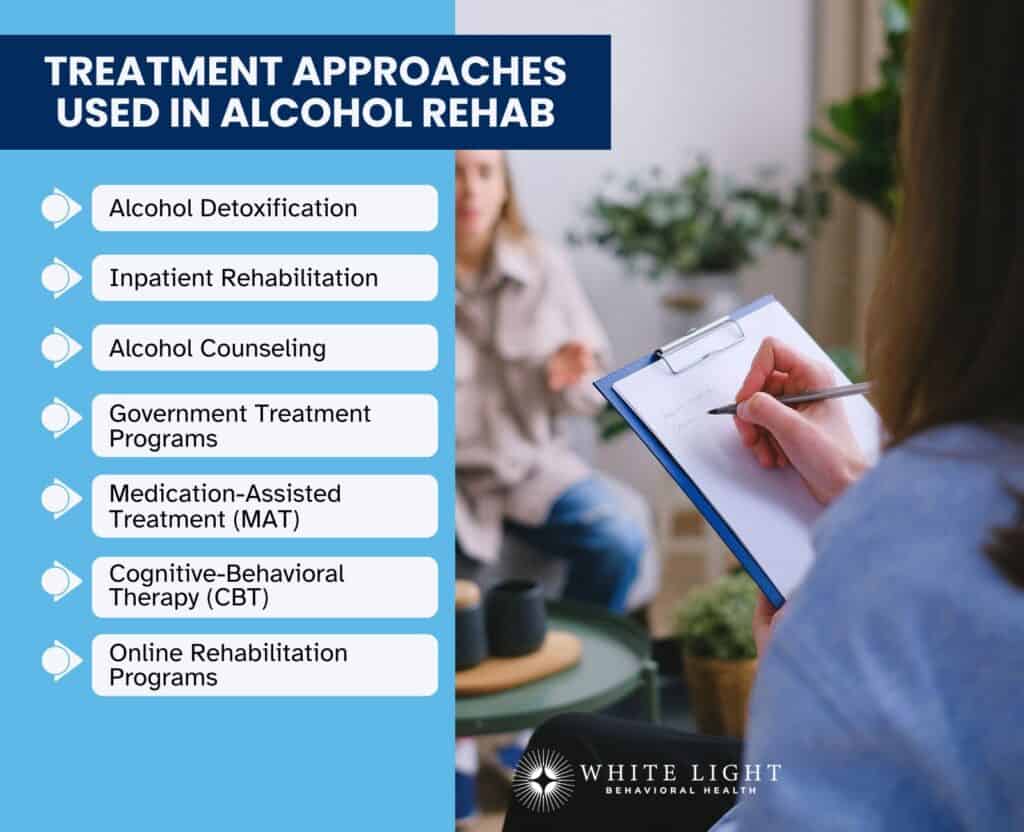
The treatment approaches used in alcohol rehab are explained below:
- Alcohol Detoxification: Alcohol detox is the medical process of clearing alcohol from the body while managing withdrawal symptoms. It is the first step in rehab, especially for individuals with long-term or high-volume alcohol use.
Detox is conducted under supervision to prevent seizures, hallucinations, or cardiac issues. According to a clinical review by Barry D. Weiss titled “Alcohol Withdrawal Syndrome”, published in American Family Physician (2003), outpatient detox is safe for most patients, though 10–20% require inpatient care due to severe symptoms.
- Inpatient Rehabilitation: Inpatient rehab involves full-time residence at a treatment center, offering structured therapy and 24/7 medical care.
It is ideal for those with severe alcohol dependence or co-occurring psychiatric disorders. Programs include behavioral therapy, medical support, and relapse prevention education.
According to a study by Christine Timko et al., titled “Treatment Entry, Engagement, and Retention in Residential Programs for Alcohol Use Disorder”, published in the Journal of Substance Abuse Treatment (2018), 59% of patients completed inpatient rehab and remained stable without further treatment for six months.
- Alcohol Counseling: This approach focuses on the psychological and behavioral roots of alcohol misuse through structured talk therapy. Counseling is conducted individually, in groups, or with families, and it involves cognitive-behavioral therapy (CBT).
It is suited for individuals who need emotional support and relapse prevention tools. According to a review by Katie Witkiewitz titled “Alcohol Treatment Outcomes Following Outpatient Counseling”, published in Addiction Science & Clinical Practice (2016), counseling reduces alcohol consumption by 38% over six months in treatment-compliant individuals.
- Government Treatment Programs: These state-funded or federally funded programs offer access to free or low-cost treatment services, including detox, therapy, and medications.
They target underserved populations and individuals who lack private insurance or personal funding. Services comply with national care standards and are available in public clinics, hospitals, or nonprofit centers.
According to the Substance Abuse and Mental Health Services Administration (SAMHSA) in their 2022 National Survey of Substance Abuse Treatment Services, over 55% of U.S. rehab centers received public funding to support alcohol addiction treatment.
- Medication-Assisted Treatment (MAT): MAT uses medications such as naltrexone, disulfiram, or acamprosate in combination with therapy to reduce cravings and support abstinence. This approach is recommended for individuals with moderate to severe alcohol use disorder.
MAT improves engagement, lowers relapse risk, and enhances recovery outcomes when combined with behavioral treatment. According to a clinical guideline by the National Institute on Alcohol Abuse and Alcoholism titled “Treatment for Alcohol Problems: Finding and Getting Help” (2021), MAT reduces relapse by up to 60% when used alongside cognitive therapies.
- Cognitive-Behavioral Therapy (CBT): CBT helps individuals recognize and change negative thought patterns that drive drinking behavior.
It teaches coping mechanisms, problem-solving skills, and strategies to manage triggers. This approach is structured, time-limited, and widely applicable across severity levels.
According to a meta-analysis by Katie Witkiewitz and Kevin Harllee, titled “Comparative Efficacy of CBT for Alcohol Use Disorders”, published in the Journal of Consulting and Clinical Psychology (2019), CBT reduced relapse rates by 27% compared to non-treatment controls.
- Online Rehabilitation Programs: Online rehab platforms deliver therapy sessions, digital assessments, and support groups remotely through secure video or app-based services. This model offers flexibility for individuals with limited access to in-person rehab due to time, location, or privacy concerns.
Online rehab is most effective for mild to moderate alcohol use and as a supplement to outpatient care. According to a study by John A. Cunningham titled “Internet-Based Interventions for Problem Drinkers: A Meta-Analysis”, published in Addiction (2017), digital programs produced a 23% reduction in alcohol use within three months of consistent engagement.
Contact us today to schedule an initial assessment or to learn more about our services.
Whether you are seeking intensive outpatient care or simply need guidance on your mental health journey, we are here to help.
What Are the Stages of the Treatment Alcohol Addiction Rehabilitation?
The stages of the treatment of alcohol addiction rehabilitation include detoxification, rehabilitation, and maintenance. According to the National Institute on Drug Abuse in their publication “Principles of Drug Addiction Treatment” (2018), patients who complete all treatment stages—including structured aftercare—are 50% more likely to maintain long-term sobriety.
The stages of treatment of alcohol addiction rehabilitation are explained below:
- Detoxification: Detoxification is the initial medical process of clearing alcohol from the body while managing withdrawal symptoms. This stage focuses on stabilizing the patient and preventing complications like seizures, delirium tremens, or cardiac issues.
It is done under medical supervision, especially for individuals with severe dependence. According to a study by Barry D. Weiss titled “Alcohol Withdrawal Syndrome,” published in American Family Physician (2003), 20% of patients in withdrawal require inpatient care due to the risk of severe symptoms.
- Rehabilitation: Rehabilitation begins after detox and includes structured psychological treatment, counseling, and behavioral therapy to address the root causes of alcohol use.
Key components involve individual therapy, group sessions, family counseling, and coping skills development. This stage is critical for reshaping behavior and managing triggers.
According to the National Institute on Alcohol Abuse and Alcoholism in their report “Alcohol Treatment and Recovery” (2021), combining therapy with medication during this phase improves abstinence rates.
- Maintenance: Maintenance involves continued care and relapse prevention strategies to support long-term recovery. This includes participation in aftercare programs, peer support groups like Alcoholics Anonymous, medication adherence, and lifestyle restructuring.
The goal is to reinforce sobriety, monitor mental health, and build resilience. According to a longitudinal study by Keith Humphreys titled “Sustained Recovery and the Role of Continuing Care,” published in Addiction (2011), individuals engaged in ongoing support maintain sobriety at nearly twice the rate of those without aftercare.
What Are the Challenges in Alcohol Addiction Rehab Treatment?
The challenges in alcohol rehab treatment include physical withdrawal symptoms, emotional and psychological challenges, relapse, social challenges, and limited access to care.
According to the National Institute on Drug Abuse in their report “Common Barriers to Treatment and Recovery” (2020), nearly 40% of individuals drop out of rehab programs early due to psychological resistance or external life pressures.
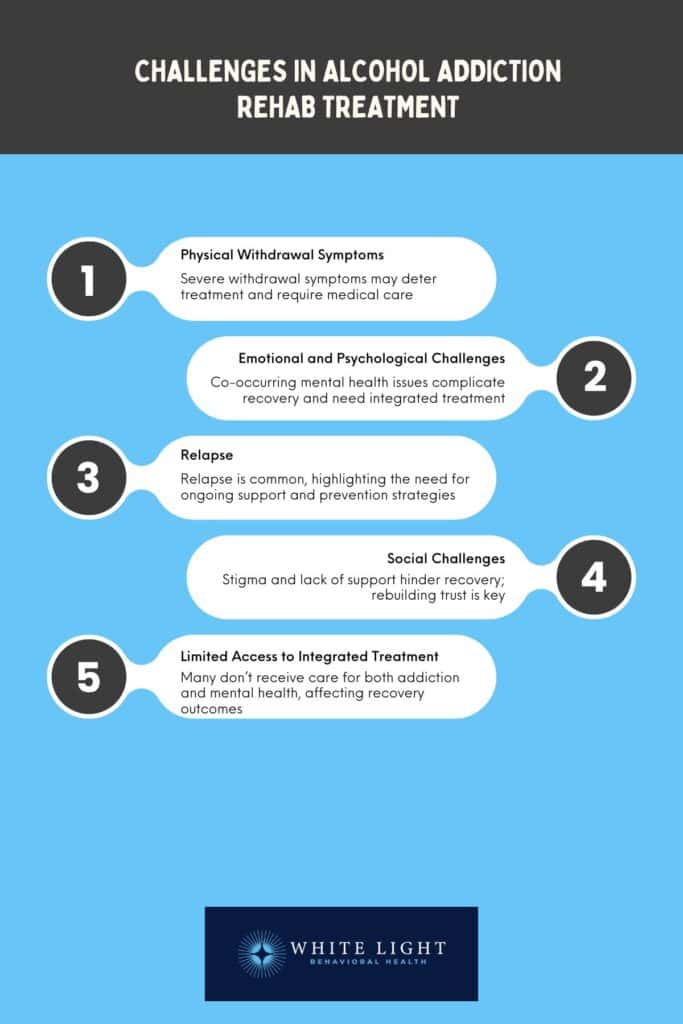
The challenges in alcohol rehab treatment are discussed below:
- Physical Withdrawal Symptoms: When individuals cease alcohol consumption, they experience withdrawal symptoms ranging from mild anxiety and tremors to severe complications like seizures and delirium tremens. Approximately 1 in 10 people with alcohol withdrawal syndrome experience seizures, necessitating medical supervision during detoxification.
These physical challenges deter individuals from initiating or completing treatment.
- Emotional and Psychological Challenges: Co-occurring mental health disorders, such as depression and anxiety, are prevalent among individuals with alcohol use disorder, complicating the recovery process. Addressing both the addiction and underlying psychological issues is crucial for effective treatment.
Integrated treatment approaches that consider both addiction and mental health disorders are essential for comprehensive and successful recovery.
- Relapse: Maintaining long-term sobriety is challenging, with studies indicating that approximately 90% of individuals who have struggled with alcohol addiction will experience at least one relapse during their lifetime. Relapse is part of the recovery journey, underscoring the need for ongoing support and relapse prevention strategies.
Understanding triggers and developing coping mechanisms are vital components of sustaining recovery.
- Social Challenges: Individuals in recovery face societal stigma, strained relationships, and a lack of supportive environments, which hinder rehabilitation efforts. Rebuilding trust with family and friends and establishing a supportive network are integral to the recovery process.
Engaging in community support groups provides the necessary social reinforcement to navigate these challenges.
- Limited Access to Integrated Treatment: Despite the high prevalence of co-occurring disorders, only 1 in 10 adults with such conditions receive treatment for both their mental illness and substance use disorder.
This gap in integrated care impedes recovery outcomes, highlighting the need for comprehensive treatment programs that address both aspects simultaneously. Enhancing access to integrated services is essential for effective rehabilitation.
What Are the Benefits of Alcohol Addiction Rehab?
The benefits of alcohol addiction rehab include improved physical and mental health, enhanced emotional stability, restored relationships, and reduced relapse risk through structured care and support.
According to the National Institute on Drug Abuse in their report “Treatment and Recovery” (2020), individuals who complete a full course of rehab are 50–70% more likely to maintain long-term sobriety and functional independence.
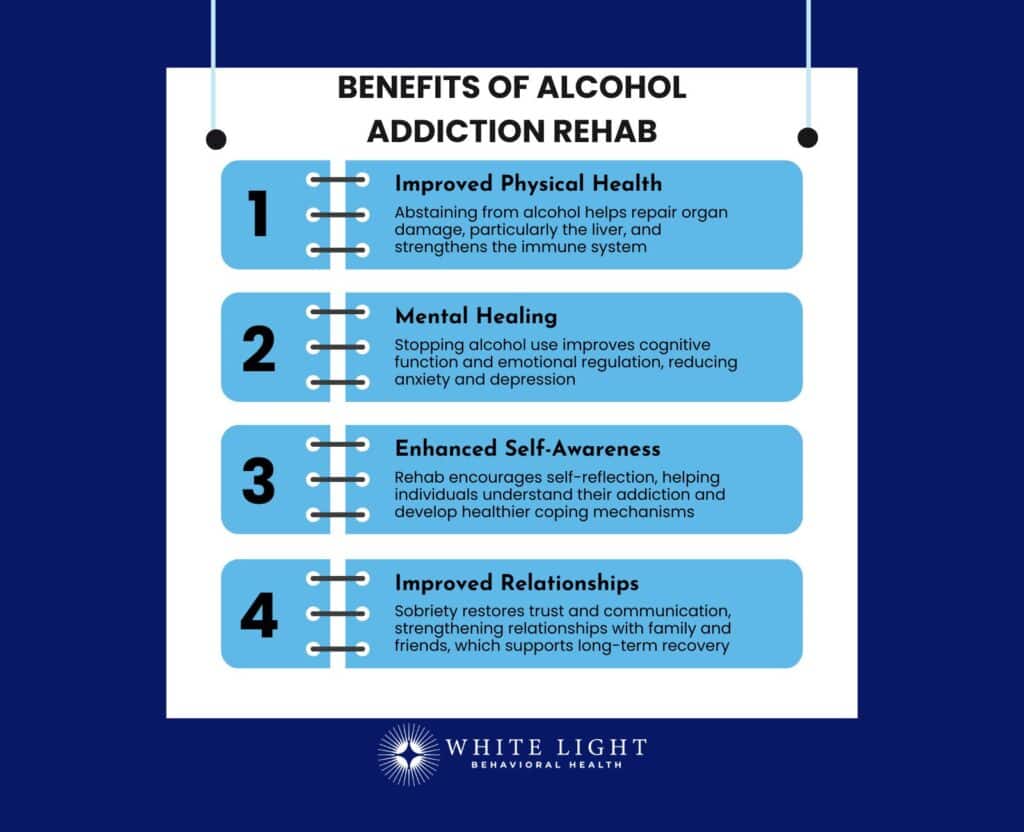
The benefits of alcohol addiction rehab are explained below:
- Improved Physical Health: Ceasing alcohol consumption allows the body to begin repairing organ damage, particularly in the liver, where alcohol-related harm is common. This healing process leads to normalized liver function and a decreased risk of liver diseases.
Additionally, abstaining from alcohol strengthens the immune system, making the body more resilient against illnesses. According to the National Institute on Alcohol Abuse and Alcoholism (NIAAA), individuals who stop drinking experience significant improvements in liver function and overall physical health.
- Mental Healing: Abstaining from alcohol allows the brain to recover from the neurotoxic effects of excessive drinking, leading to improved cognitive functions such as memory, attention, and executive function.
This neurological recovery enhances emotional regulation and reduces symptoms of anxiety and depression. Over time, individuals experience greater mental clarity and psychological stability.
The NIAAA notes that the brain’s plasticity enables recovery and functional improvement following sustained abstinence from alcohol.
- Enhanced Self-Awareness: Therapeutic interventions during rehab encourage introspection and self-reflection, helping individuals understand the underlying causes of their addiction. This process fosters personal growth and the development of healthier coping mechanisms.
Increased self-awareness empowers individuals to make informed decisions and maintain sobriety.
- Improved Relationships: Sobriety allows individuals to rebuild trust and strengthen connections with family, friends, and colleagues that have been strained due to alcohol misuse. Clear communication and reliability, restored through abstinence, contribute to healthier and more supportive relationships.
These improved social bonds provide a crucial support system that reinforces long-term recovery.
What Factors Affect the Length of Alcohol Addiction Rehab?
The factors that affect the length of alcohol rehab include the severity of the disorder, level of care needed, presence of co-occurring mental or physical health disorders, duration of addiction, treatment setting, and patient response to therapy. According to the National Institute on Drug Abuse in their report “Principles of Drug Addiction Treatment” (2018), individuals engaged in treatment for at least 90 days show significantly better recovery outcomes compared to shorter durations.
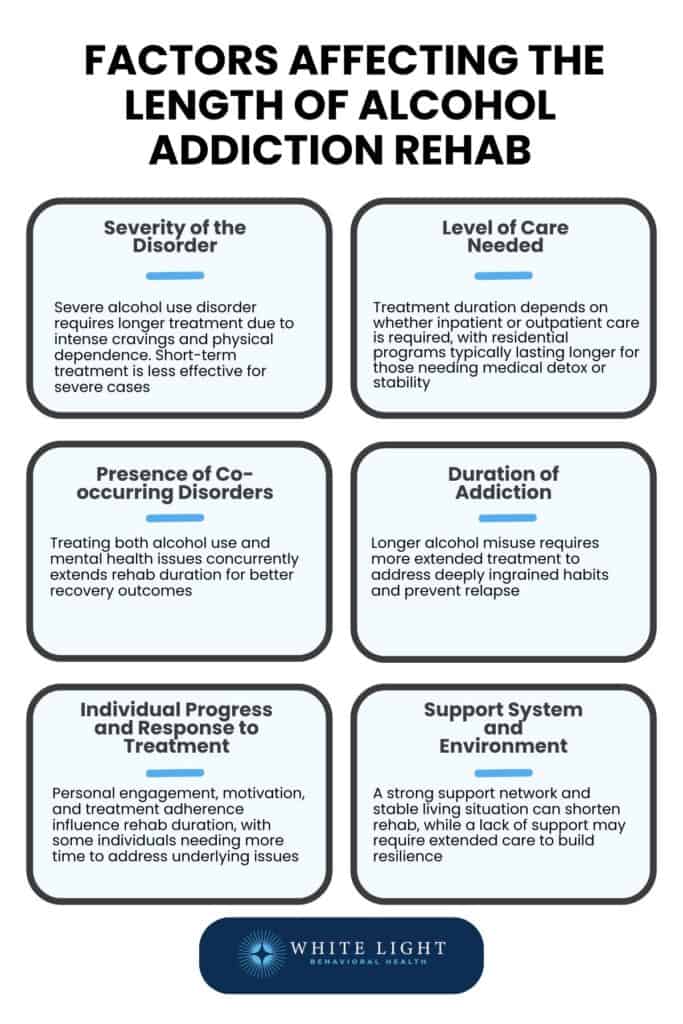
The factors affecting the length of alcohol addiction rehab are as follows:
- Severity of the Disorder: Individuals with severe alcohol use disorder (AUD) require longer treatment durations to address the complexity of their addiction. Severe cases involve intense cravings, significant physical dependence, and multiple failed attempts at sobriety, necessitating extended care.
According to the National Institute on Drug Abuse (NIDA), treatment lasting fewer than 90 days is of limited effectiveness for severe substance use disorders.
- Level of Care Needed: The appropriate level of care—ranging from outpatient services to intensive inpatient programs—depends on the individual’s specific needs and circumstances. Those requiring medical detoxification or with unstable living situations benefit from residential treatment, which typically lasts longer.
Tailoring the level of care ensures that patients receive adequate support, directly influencing treatment duration.
- Presence of Co-occurring Disorders: When individuals have co-occurring mental health conditions alongside AUD, integrated treatment approaches are necessary. Addressing both disorders concurrently extends the length of rehab, as comprehensive care is essential for effective recovery.
The Substance Abuse and Mental Health Services Administration (SAMHSA) emphasizes the importance of treating co-occurring disorders to improve overall outcomes.
- Duration of Addiction: Long-term alcohol misuse leads to more entrenched behavioral patterns and physiological changes, requiring prolonged treatment to achieve sustainable recovery. Individuals with a lengthy history of addiction need extended therapy to address deep-seated habits and prevent relapse.
- Individual Progress and Response to Treatment: Personal motivation, engagement in therapy, and adherence to treatment plans significantly influence the duration of rehab.
Some individuals progress more rapidly, while others require additional time to address underlying issues and develop coping strategies. Regular assessments help tailor the treatment length to the patient’s evolving needs.
- Support System and Environment: A robust support network and stable living environment facilitates a shorter rehab duration by providing external encouragement and reducing stressors.
Conversely, individuals lacking supportive relationships or facing adverse environments benefit from extended treatment to build resilience and coping mechanisms. The presence of a supportive community is a critical factor in the recovery process.
What Is the Cost of Alcohol Addiction Rehab Programs?
The cost of alcohol addiction rehab programs ranges from $1,500 for outpatient services to over $60,000 for luxury inpatient treatment.
The cost of rehab programs includes detoxification, inpatient or outpatient care, medication, therapy sessions, and aftercare planning, with variations depending on the intensity and duration of care.
Inpatient rehab costs between $6,000 and $20,000 for a 30-day program, while outpatient programs range from $1,500 to $10,000, depending on session frequency and services included.
Factors affecting cost include the level of medical care required, facility location, duration of treatment, staff-to-patient ratio, and the inclusion of specialized services such as dual-diagnosis care or private accommodations.
Rediscover Life at White Light Behavioral Health
Get the compassionate support you deserve. We're here to help you reclaim joy, wellness, and a brighter future.
Our Facility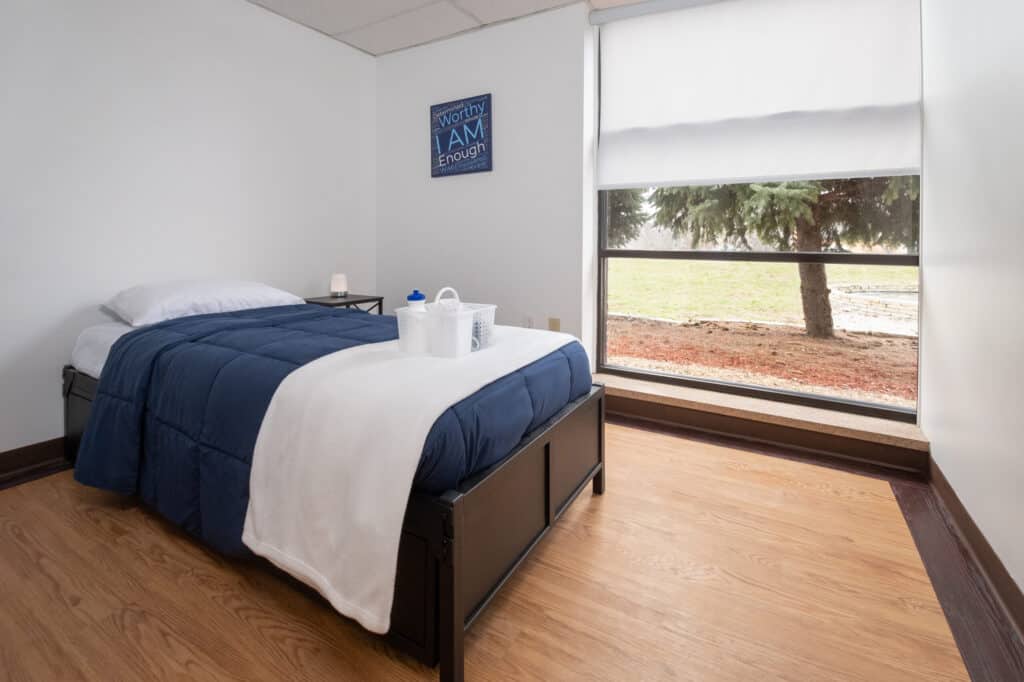
How to Choose an Alcohol Addiction Rehab for Fast Recovery?
To choose an alcohol addiction rehab for fast recovery, start by confirming that the facility is licensed and accredited and uses evidence-based treatment approaches. Evaluate if the program offers individualized care plans, access to medical detox, dual-diagnosis treatment, and certified addiction professionals.
Consider the program’s structure, duration, relapse prevention strategies, and aftercare support, as these directly influence alcohol addiction recovery speed and sustainability. According to the National Institute on Alcohol Abuse and Alcoholism, patient-treatment matching improves long-term recovery outcomes by aligning care with the individual’s specific medical, psychological, and social needs.
How Long Does Alcohol Addiction Rehab Take for Recovery?
Alcohol addiction rehab takes approximately 30 to 90 days for initial treatment, but full recovery often extends over 6 to 12 months with continued care and support. The duration depends on the severity of the addiction, individual progress, presence of co-occurring disorders, and the type of program selected.
Short-term programs focus on detox and stabilization, while longer-term care addresses behavioral change, mental health, and relapse prevention. According to the National Institute on Drug Abuse, programs lasting 90 days or more result in higher success rates and lower relapse incidence compared to shorter interventions.
Does Insurance Cover Alcohol Addiction Rehab?
Yes, Most health insurance plans cover alcohol addiction rehab. This coverage includes services such as detoxification, inpatient or outpatient treatment, therapy, and medications. Coverage depends on the provider, plan type, and whether the treatment center is in-network.
The Affordable Care Act (ACA) mandates that substance use disorder treatment is an essential health benefit, meaning insurers are required to offer coverage. Individuals should confirm specifics with their insurance provider to understand limits, co-pays, and preauthorization requirements.
Are There Free Alcohol Addiction Rehabilitation Options Available?
Yes, free alcohol addiction rehabilitation options are available through government programs, nonprofit organizations, faith-based initiatives, and public health agencies. These programs offer detox services, counseling, medication-assisted treatment, and support groups at no cost or on a sliding fee scale.
The Substance Abuse and Mental Health Services Administration (SAMHSA) provides a treatment locator tool to help individuals find nearby free or low-cost services. Availability varies by region, and eligibility is based on income, residency, and clinical need.
Is Alcohol Addiction Rehab Confidential?
Yes, alcohol addiction rehab is confidential and protected under federal privacy laws. These laws include the Health Insurance Portability and Accountability Act (HIPAA) and 42 CFR Part 2 regulations.
These laws ensure that personal health information, including enrollment in rehab, cannot be disclosed without written consent. Rehab centers are legally required to safeguard patient records and limit access to authorized personnel only.
Confidentiality also extends to group therapy settings, where mutual respect and privacy are emphasized.
Are you covered for treatment?


White Light Behavioral Health is an approved provider for Blue Cross Blue Shield and TUFTS, while also accepting many other major insurance carriers.
Check Coverage Now!Does Your Brain Change During Alcohol Rehab Treatment?
Yes, your brain changes during alcohol rehab reatment. The brain undergoes measurable changes as it begins to heal from the neurotoxic effects of prolonged alcohol use. Neuroplasticity allows the brain to rebuild neural pathways that support decision-making, emotional regulation, and impulse control.
According to the National Institute on Alcohol Abuse and Alcoholism, sustained abstinence improves brain volume in regions responsible for memory and learning within 6 to 12 months. This neurological recovery enhances cognitive function and supports long-term sobriety.
How Does Alcohol Addiction Rehab Help in Preventing Relapse?
Alcohol addiction rehab helps in preventing relapse by providing structured behavioral therapy, relapse prevention planning, coping skills training, and continued aftercare support.
Rehab programs use evidence-based approaches like cognitive-behavioral therapy (CBT) to help individuals recognize triggers, manage stress, and replace destructive patterns with healthier responses. Medications such as naltrexone are also used to reduce cravings and support long-term abstinence. These strategies help with relapse prevention.
According to the National Institute on Drug Abuse in “Principles of Drug Addiction Treatment” (2018), relapse prevention strategies integrated into rehab reduce relapse risk by up to 50% over one year.
How Can Patients Prevent Relapse After Alcohol Addiction Rehabilitation?
Patients can prevent relapse after rehab by applying coping strategies, continuing therapy, engaging in support networks, and maintaining structured routines. Consistent follow-up care reinforces healthy habits and minimizes exposure to high-risk triggers.
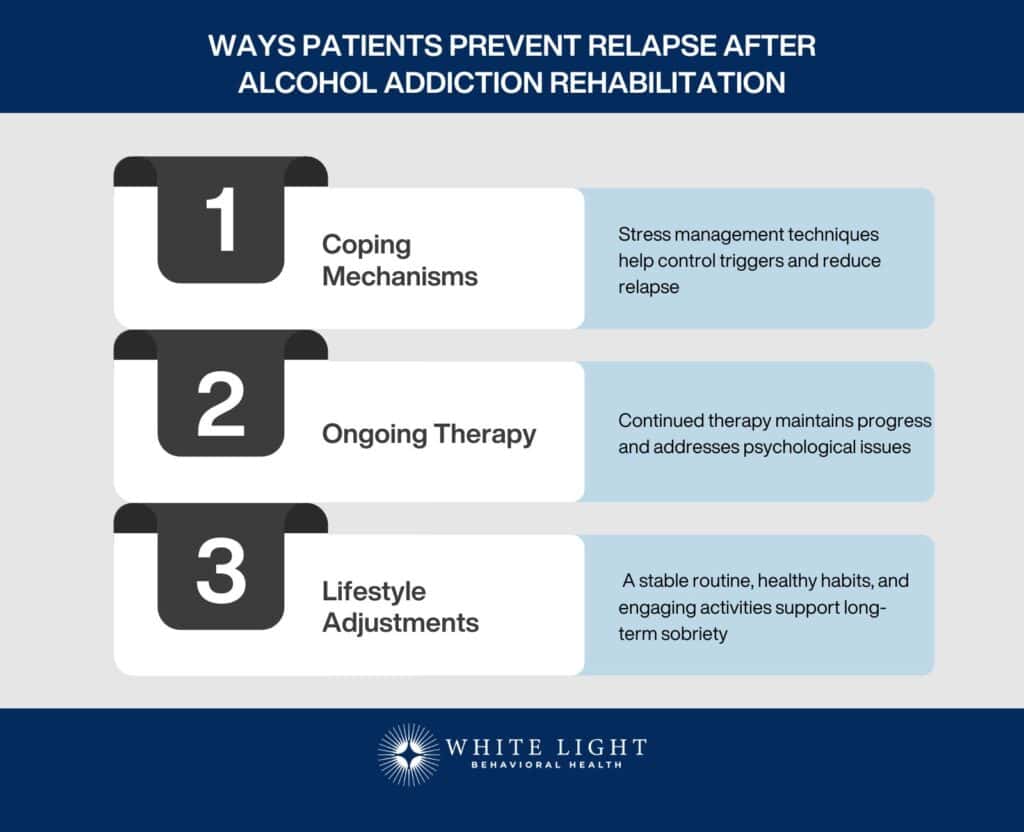
Ways patients prevent relapse after alcohol addiction rehabilitation include the following:
- Coping Mechanisms: Individuals learn to recognize triggers and apply stress management techniques such as journaling, deep breathing, or exercise. These tools reduce impulsivity and enhance emotional control during challenging situations.
Developing adaptive coping responses is linked to reduced relapse risk and greater emotional resilience.
- Ongoing Therapy: Continued participation in individual or group therapy reinforces behavioral changes and addresses unresolved psychological issues. Therapists provide accountability and help patients adjust strategies as their circumstances evolve.
- Lifestyle Adjustments: Building a stable daily routine, maintaining employment, and engaging in hobbies provide structure and purpose.
Healthy lifestyle choices such as proper nutrition, sleep, and regular physical activity support cognitive recovery. These adjustments help create a fulfilling, alcohol-free life and reduce the desire to return to old patterns.
What Are The Legal Issues of Drug Addiction Rehabilitation in Ohio?
The legal issues of drug addiction rehabilitation in Ohio are related to mandatory treatment laws, confidentiality protections, court-ordered rehab programs, and housing or employment discrimination.
Relapse, defined as the return to alcohol or drug use after a period of abstinence, remains a major concern after rehab due to neurological vulnerability, unresolved psychological stress, or exposure to environmental triggers.
In Ohio, individuals are court-mandated to enter treatment under civil commitment laws, particularly if substance use poses a threat to self or public safety. Entering the treatment into records helps avoid legal issues in drug addiction rehabilitation.
Effective relapse prevention strategies include continuous therapy, medication-assisted treatment, community support groups, and regular monitoring, all of which are supported by the Substance Abuse and Mental Health Services Administration as best practices for long-term recovery.
Share This Post

Dr. Ryan Wakim M.D.
All author posts
TREATMENTS WE OFFER
Are you covered for treatment?














White Light Behavioral Health is an approved provider for Blue Shield and Tufts, while also accepting many other major insurance carriers.
Check Coverage Now!