
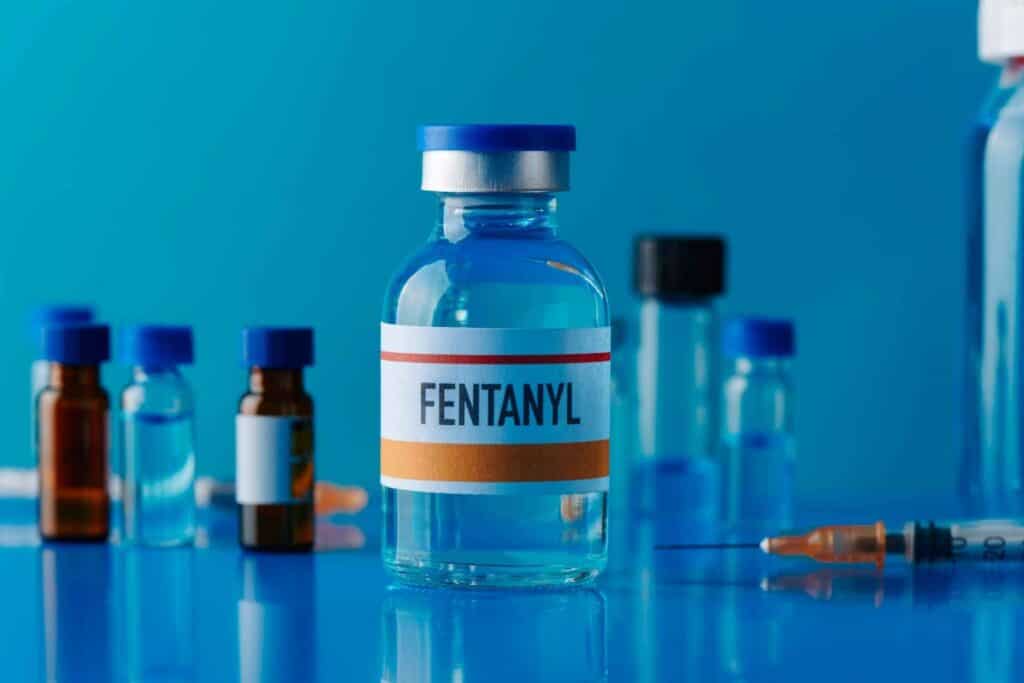
Fentanyl is up to 50 times stronger than heroin and 100 times stronger than morphine. Addiction sets in quickly and fentanyl’s potency makes it easy to accidentally overdose.
Understanding the signs, risks and how to get treatment for fentanyl addiction in Ohio is a must if you or someone you love is using this powerful opioid.
What Is Fentanyl?
Fentanyl is a synthetic opioid made in a laboratory or uncontrolled environment. Pharmaceutical fentanyl may be prescribed for severe pain. Illegally manufactured fentanyl is produced and sold outside medical settings.
Its potency is the core danger of fentanyl. Tiny changes in amount can have enormous effects on the body. Illicit fentanyl has the added risk of inconsistent potency and may be mixed with other drugs, like xylazine.
Illegal fentanyl may be sold on its own, pressed into counterfeit pills, or mixed into other drugs, like MDMA (Molly) or tuci (pink cocaine). There is no reliable way to judge its strength by sight, taste, or smell.
Signs of Fentanyl Addiction
Someone with a fentanyl addiction often organizes their day around finding a dose that helps them function and avoid withdrawal.
Common signs of Fentanyl Addiction include:
- Feeling sick, anxious, or restless between uses
- Chronic constipation (or loose bowels in withdrawal)
- Unusual drowsiness or ‘nodding out’ at inappropriate times
- Continuing to use despite overdose or other consequences
- Prioritizing fentanyl over work, responsibilities, or relationships
- Trying to cut back but returning because of cravings or withdrawal
- Spending significant time getting, using, or recovering from fentanyl
As dependence grows, the brain begins treating fentanyl like something necessary for survival.
Why Fentanyl Carries Serious Overdose Risk
Fentanyl can slow breathing so quickly that someone may lose consciousness before understanding what is happening.Fatal respiratory arrest can follow (a person stops breathing). Combining fentanyl with other CNS depressants like benzodiazepines or alcohol increase this risk exponentially.
Tolerance also creates an entirely different risk. During active use the amount that someone can tolerate is different from what the body can handle after a period of time without opioids. Tolerance quickly falls and returning to an amount the body once handled often causes a fatal overdose.
Naloxone might temporarily reverse an opioid overdose and restore breathing when given in time, if opioids are the only drugs involved, but there are no guarantees. Anyone around opioid use should know where naloxone is and how to use it. Call 911 after giving naloxone because more than one dose may be needed when fentanyl is involved.
Fentanyl in Other Drugs: A Hidden Risk
Many people exposed to fentanyl never intended to take it.
Illegally made fentanyl may be added to heroin, cocaine, methamphetamine, or pills made to resemble prescription pain medications. It is difficult to distribute this way, evenly.
One pill or portion of powder may contain little fentanyl while another from the same supply contains a fatal amount.
Someone may believe they are taking a familiar substance while their body is responding to an opioid strong enough to stop breathing.
Treatment Options for Fentanyl Addiction

Fentanyl addiction is treatable. Care addresses withdrawal, cravings, mental health, daily patterns, and support after structured treatment ends.
- Medical detox: Medical detox in Columbus, Ohio provides 24-hour monitoring and medications when appropriate to reduce withdrawal symptoms and help the body stabilize.
- Medication-assisted treatment: Medication-assisted treatment may include buprenorphine or methadone alongside counseling. These medications can reduce cravings and lower overdose risk.
- Residential or outpatient treatment: Residential rehab offers distance from immediate triggers and a structured setting for therapy, medical support, and recovery skill building. PHP, IOP, or other outpatient services may continue care as someone returns to daily responsibilities.
- Aftercare and relapse prevention: Ongoing therapy, recovery planning, and aftercare support help people prepare for cravings, stress, and moments when old patterns begin pulling at them again.
Get Help for Fentanyl Addiction at White Light Behavioral Health
Fentanyl addiction can consume a life. Recovery begins by creating enough safety for healthy choices to become possible again.
White Light Behavioral Health provides a full continuum of fentanyl addiction treatment in Columbus, Ohio. Care may begin with medical detox and continue through step-down programming as someone’s needs change.
You do not have to know which program should come first. Our team is here for a confidential conversation about what has been happening and what a safe next step could look like.
Frequently Asked Questions
Why is fentanyl more dangerous than other opioids?
Fentanyl is much more potent than morphine or heroin. Very small amounts can suppress breathing, and illegally made fentanyl may vary significantly in strength.
Can you overdose on fentanyl without knowing you took it?
Yes. Illicit fentanyl is often mixed into other drugs or counterfeit pills without the person’s knowledge. Someone may have no idea that fentanyl is present until an overdose begins.
Is fentanyl addiction treatable?
Yes. Medical detox, medications for opioid use disorder, therapy, residential or outpatient care, and continued support can reduce the risk of relapse and overdose.
What is the first step in getting help for fentanyl addiction?
The first step is a confidential assessment. A treatment professional can review current use, withdrawal symptoms, and physical and mental health history to recommend the safest level of care.
Sources:
- Fentanyl Facts – Centers for Disease Control and Prevention
- Lifesaving Naloxone – Centers for Disease Control and Prevention
- Fentanyl abuse and dependence: further evidence for second hand exposure hypothesis – PubMed (NLM/NIH)
- Fentanyl Absorption, Distribution, Metabolism, and Excretion (ADME): Narrative Review and Clinical Significance Related to Illicitly-Manufactured Fentanyl – PubMed (NLM/NIH)