

Cocaine addiction often appears through a mix of physical changes, behavioral shifts, and psychological symptoms.
As tolerance builds, cocaine can move from something that is used occasionally for energy to something someone organizes their day around. When someone starts shifting responsibilities around their next use, that is when addiction is most apparent. Fortunately, addiction treatment is available.
Physical Signs of Cocaine Addiction
Cocaine pushes the brain and body into a highly stimulated state. Repeated use can place stress on the heart, disrupt sleep and appetite, and create visible changes in physical health.
Physical signs of cocaine addiction usually include:
- Dilated pupils
- Frequent nosebleeds or nasal damage when cocaine is snorted
- Loss of appetite or rapid weight loss
- A fast heart rate or elevated blood pressure
- Bursts of energy followed by heavy crashes
The physical signs all depend on how and how often cocaine is used. Snorting cocaine can damage the nose and sinuses, while smoking or injecting it carries different health risks. Someone who has used cocaine more regularly may not react the same way as someone who is new to the drug.
Behavioral Signs of Cocaine Addiction
Behavioral changes often become noticeable as cocaine is used more frequently.
Habits of someone who uses cocaine may include:
- Making excuses to go on errands by themselves, often
- Neglecting responsibilities at work, school, or home
- Developing financial problems
- Becoming secretive or withdrawing from people who express concern
- Planning weekends, social events, or daily routines around access to cocaine
Someone may continue to keep up with their responsibilities while in active addiction. Being able to function in some areas of life does not mean the pattern is safe or doesn’t deserve care.
Psychological Signs of Cocaine Addiction
Cocaine can create a fast, intense feeling of pleasure and focus. When that feeling disappears, though, the emotional crash can cause obvious signs of use.
Psychological signs of cocaine use can include:
- Intense cravings or persistent thoughts about using that make someone look distracted
- Increased anxiety, panic, or paranoia
- Irritability or sudden mood swings
- Difficulty concentrating or functioning without cocaine
- Depression or thoughts of self-harm during a crash
How Cocaine Addiction Differs From Occasional Use
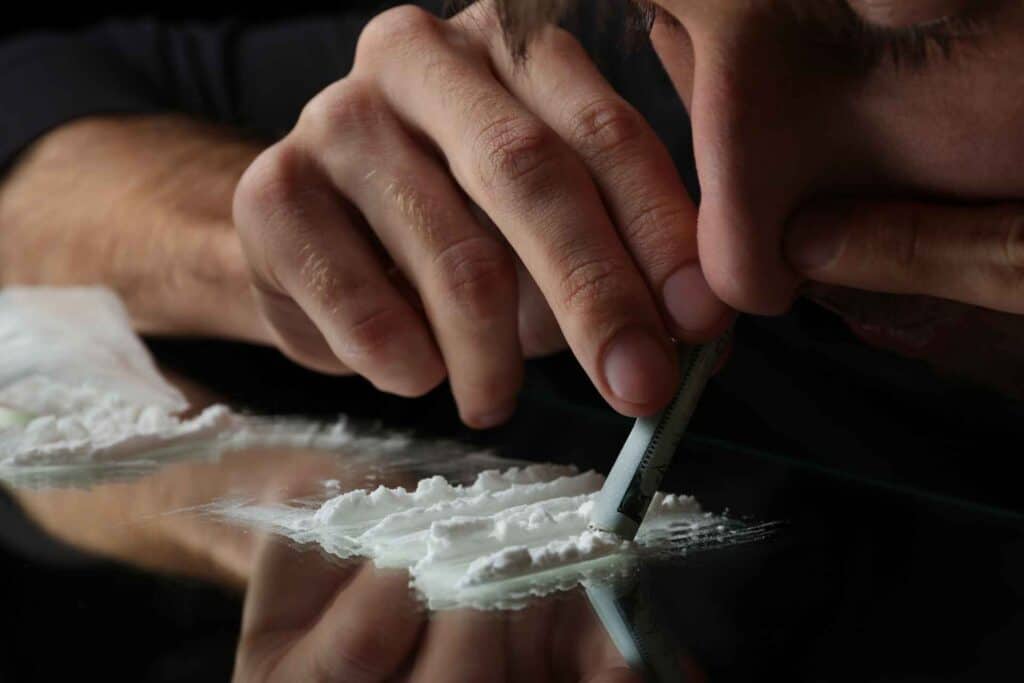
Cocaine addiction involves compulsive use and loss of control despite consequences. It is not only defined by how much or how often someone uses, but why someone chooses to use.
A person does not have to use cocaine every day to have an addiction. Someone may go days or weeks without it but repeatedly lose control once use begins. They may intend to use a small amount but continue through the night instead, or return to cocaine after promising themselves they would stop.
When cravings repeatedly override health, relationships, and responsibilities, professional help may be needed.
When Symptoms Signal Time for Treatment
It is time to consider treatment when someone loses control over cravings for cocaine.
Failed attempts to cut back, worsening anxiety or depression, or financial strain are some of the obvious signs that outside support can help.
Treatment is also important when cocaine is used with other substances. Mixing substances can make the effects less predictable and may increase the chance of serious medical complications.
Get Help for Cocaine Addiction at White Light Behavioral Health
Cocaine can make someone feel intensely present for a short time, then leave them further away from their body, relationships, and sense of stability when the effects fade.
White Light Behavioral Health provides cocaine addiction treatment in Columbus, Ohio. Care may include medically supported detox, residential rehab, dual-diagnosis treatment, or lower levels of care.
Each person enters recovery at a different point. As someone’s needs change, treatment can change. To learn more about what stage of care might fit where you are, reach out and start a conversation today.
The right support system makes a world of difference.
Frequently Asked Questions
What are the early signs of cocaine addiction?
Early signs may include needing larger amounts to feel the same effect, sleeping less, experiencing mood changes, and pulling away from responsibilities.
Can you be addicted to cocaine without using it every day?
Yes. Addiction is based on cravings, loss of control, compulsive use, and continued use despite harm. Someone may use cocaine intermittently but still experience a pattern they cannot reliably stop.
Is cocaine addiction physical or psychological?
Cocaine addiction affects both mind and body. It can cause tolerance just the same as cravings, withdrawal symptoms, and emotional patterns that make stopping difficult.
Treatment should address the whole person, including physical health, mental health, behavior, and the situations connected to use.
What should I do if I recognize these signs in a loved one?
Choose a calm time to share the changes you have noticed. Speak from concern rather than blame, avoid arguing while the person is under the influence, and offer to help them take the next step.
Sources
- Predictors of cocaine use disorder treatment outcomes: a systematic review – PubMed
- Drug Misuse and Addiction – National Institute on Drug Abuse
- Cocaine – MedlinePlus, National Library of Medicine