Cognitive Behavioral Therapy (CBT): How It Works in Addiction Recovery

At our drug and alcohol rehab in Columbus, Ohio, CBT is one of the most important tools we use. It’s practical, proven, and designed to help you take control of your thoughts that drive harmful behavior.
This guide breaks down what CBT is, what a session at a Columbus rehab actually looks like, and how it fits into your recovery plan at our drug and alcohol rehab in Columbus, Ohio.
What Is Cognitive Behavioral Therapy?
Cognitive behavioral therapy is a structured, short-term form of talk therapy. The core idea is simple: your thoughts, feelings, and actions are all connected. When you change how you think about a situation, your emotions and behaviors tend to follow.
CBT was developed in the 1960s by psychiatrist Dr. Aaron Beck.
It’s now one of the most studied and widely used therapies in the world. With strong evidence behind it for treating depression, anxiety, PTSD, and substance use disorders.
Unlike some therapies that spend years exploring the past, CBT is focused on the present. You learn specific skills, practice them between sessions, and build real coping tools that stay with you after treatment ends.
A common myth is that CBT is just “positive thinking”.” It’s more than that. CBT doesn’t ask you to ignore difficult feelings or pretend everything is fine. It helps you examine whether a thought is actually accurate, and replace distorted thinking with something more realistic.
Did you know most health insurance plans cover substance use disorder treatment? Check your coverage online now.
What Does a CBT Session Actually Look Like?
This is one of the most common questions people have before starting treatment in Ohio, and most resources skip over it entirely. Here is what you can generally expect:
- You and your therapist identify a specific thought pattern or behavior to work on
- You examine where that thought comes from and whether it holds up to scrutiny (is it actually true?)
- You practice replacing it with a more accurate, balanced thought
- You leave with a small assignment, like keeping a thought journal or trying a new behavior before the next session
Sessions are typically 45 to 60 minutes long. In a rehab setting, you may do CBT in individual or group sessions
More Resources on Addiction:
CBT in Individual vs.Group Settings in Ohio
During individual sessions, the focus is on your specific triggers, history and goals. Your therapist can go deep on patterns that are unique to you.
In group CBT, which is common in Columbus intensive outpatient programs, you practice skills alongside others in recovery. This adds the benefit of shared experience and peer accountability, which research shows can strengthen outcomes for people in Ohio treatment programs
Both formats are used at White Light, and many people receive both during their program.
How CBT Supports Addiction Recovery
CBT is especially effective for substance use disorder because it directly targets the thought patterns that lead to use. In Columbus recovery programs, therapists use CBT to help clients:
- Identifying personal triggers (people, places, emotions, situations)
- Recognizing automatic thoughts that appear before cravings hit
- Building a concrete plan to interrupt the cycle before it leads to use
- Developing problem-solving skills to handle stress without substances
CBT is also a foundation of relapse prevention in Ohio. You learn to spot warning signs early and respond to them with skills rather than old habits. This is why CBT is often paired with our dual diagnosis treatment, where both addiction and an underlying mental health condition are addressed together.
When CBT Is Combined With Other Approaches
CBT works well on its own, but Ohio treatment programs most often use it as part of a broader plan. Common combinations include:
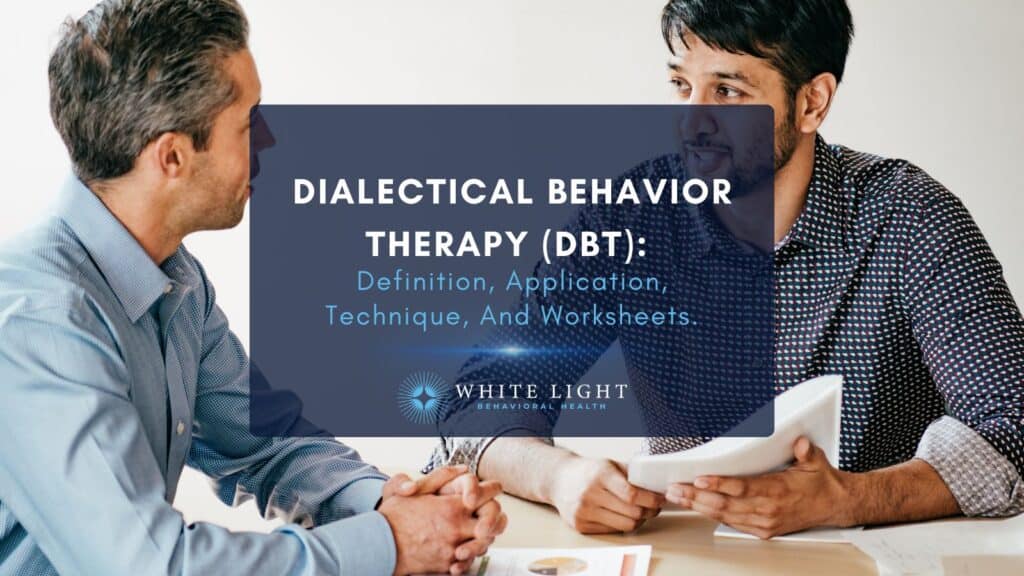
- CBT and dialectical behavior therapy (DBT), which adds emotional regulation and distress tolerance skills.
- CBT with medication-assisted treatment (MAT) for opioid or alcohol use disorder
- CBT with motivational interviewing, which helps strengthen your commitment to change
If CBT alone doesn’t feel like enough, that’s not a failure. It often means another layer of support is needed, and that’s something your care team can build into your plan.
Simple CBT Tools You Can Start Using Now
You do not need to be in a therapist’s office to begin practicing CBT skills. A few of the most common techniques used in Columbus behavioral health programs include:
- Thought Records: Write down a distressing thought, the situation that triggered it, and a more balanced perspective. This simple habit builds awareness over time.
- Behavioral Activation: When depression or anxiety pulls you toward isolation, CBT asks you to do the opposite.
Schedule one small, meaningful activity and notice how it affects your mood.
- The STOP technique: Stop, breathe, Observe your thoughts (without judgement), Proceed with intention. This is a useful tool in moments of high craving or emotional flooding.
These tools are introduced and practiced during treatment at White Light.
The goal is that they stay useful long after your treatment ends.
Contact us today to schedule an initial assessment or to learn more about our services. Whether you are seeking intensive outpatient care or simply need guidance on your mental health journey, we are here to help.
Is CBT Right for You?
CBT is effective for a wide range of people and situations. It is especially well-suited if you want a structured, skills-based approach to recovery rather than open-ended talk therapy.
If you are not sure where to start, our treatment team in Columbus can help you figure out what kind of support fits your situation. Reach out today to learn more about our Ohio addiction treatment programs and how CBT fits into the full continuum of care we offer.
Sources:
- American Psychological Association (APA): Clinical Practice Guideline for the Treatment of Posttraumatic Stress Disorder — What is Cognitive Behavioral Therapy?
- National Library of Medicine — Cognitive Behavior Therapy
- Substance Abuse and Mental Health Services Administration (SAMSHA) — Selecting, Supporting, and Sustaining Evidence Based Practices in CCBHCs
Share This Post

White Light Behavioral Health
All author posts
TREATMENTS WE OFFER
Are you covered for treatment?












White Light Behavioral Health is an approved provider for Blue Shield and Tufts, while also accepting many other major insurance carriers.
Check Coverage Now!